In the world of design and construction, small details can make a big difference. One such detail that often goes unnoticed but plays a crucial role in safety, functionality, and aesthetics is the use of rubberized borders. Whether you’ve encountered them on stairs, playgrounds, or industrial equipment, rubberized borders are a versatile and practical solution for a variety of applications.
In this blog, we’ll explore what rubberized borders are, their benefits, and where they can be used to enhance safety and durability.
What Are Rubberized Borders?
Rubberized borders are protective edges or trims made from durable rubber materials. They are designed to cover sharp edges, corners, or transitions between surfaces, providing a soft, cushioned barrier. These borders are often used in environments where safety, durability, and aesthetics are priorities.
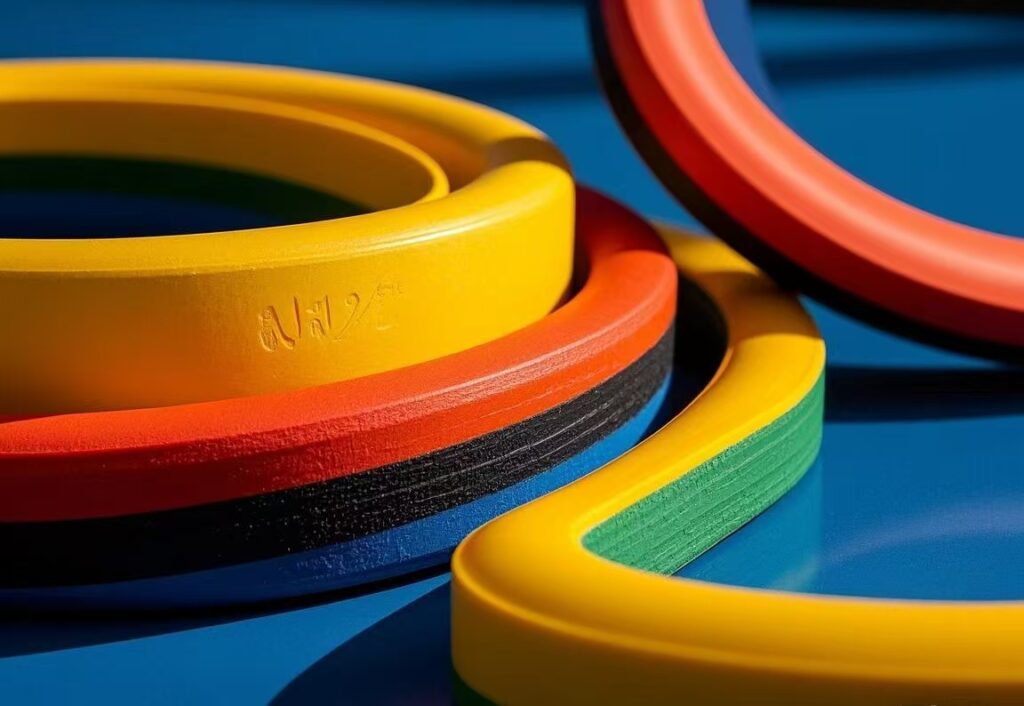
Rubberized borders come in various shapes, sizes, and colors, making them adaptable to different needs and design preferences. They can be custom-made to fit specific applications, ensuring a seamless and functional integration.
Key Benefits of Rubberized Borders
- Enhanced Safety:
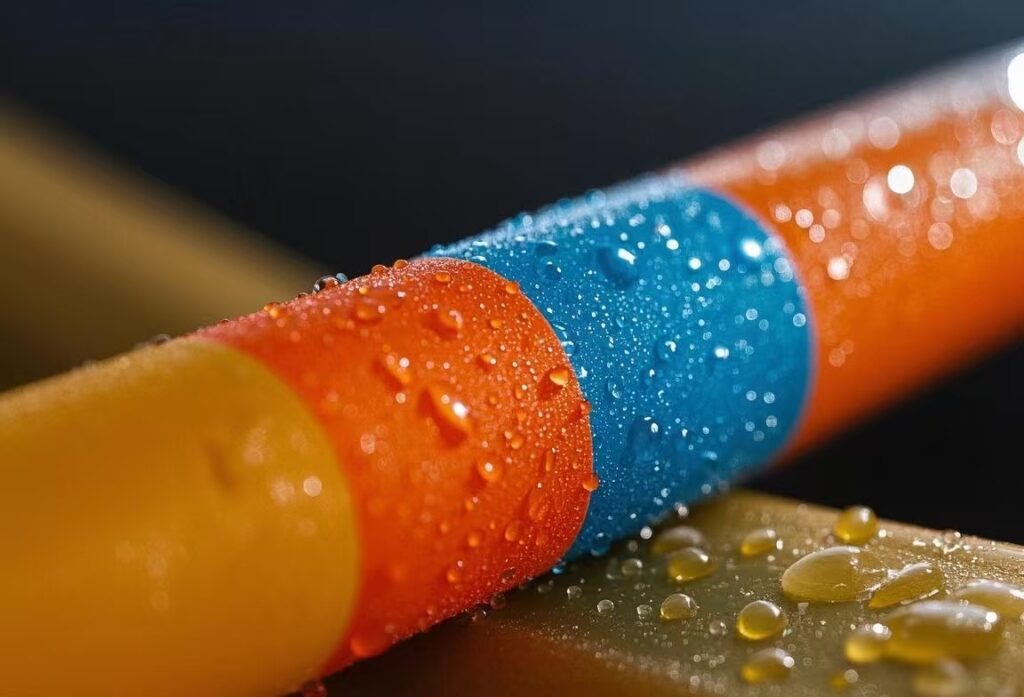
One of the primary reasons for using rubberized borders is to prevent injuries. By covering sharp edges or corners, they reduce the risk of cuts, scrapes, and impact-related accidents. This makes them ideal for high-traffic areas, playgrounds, and spaces frequented by children or the elderly. - Durability:
Rubberized borders are designed to withstand wear and tear. They are resistant to weathering, UV rays, and chemicals, making them suitable for both indoor and outdoor use. Their longevity ensures that they remain effective and visually appealing for years. - Noise Reduction:
Rubber is naturally sound-absorbent, so rubberized borders can help reduce noise in busy environments. For example, they can minimize the clattering of carts or equipment in industrial settings or the impact of footsteps on stairs. - Aesthetic Appeal:
Beyond their functional benefits, rubberized borders can enhance the look of a space. They provide a clean, finished appearance to edges and transitions, contributing to a polished and professional design. - Easy Maintenance:
Rubberized borders are low-maintenance and easy to clean. Their smooth surfaces resist dirt and debris, making them a practical choice for environments that require frequent cleaning, such as hospitals or schools.
Applications of Rubberized Borders
Rubberized borders are incredibly versatile and can be used in a wide range of settings. Here are some common applications:
- Staircases:
Adding rubberized borders to stair edges improves safety by providing better traction and reducing the risk of slips and falls. They also protect the stairs from damage caused by heavy foot traffic. - Playgrounds:
In playgrounds, rubberized borders are used to cover the edges of play structures, ensuring a safer environment for children. They can also be combined with rubber flooring for added impact absorption. - Industrial Settings:
In warehouses or factories, rubberized borders protect equipment, walls, and floors from damage caused by carts, machinery, or heavy loads. They also help reduce noise in these often noisy environments. - Retail Spaces:
Retail stores use rubberized borders to protect display shelves, counters, and fixtures from wear and tear. They also add a sleek, modern touch to the store’s design. - Healthcare Facilities:
In hospitals and clinics, rubberized borders are used on furniture, equipment, and walls to create a safer environment for patients and staff. Their easy-to-clean surfaces also help maintain hygiene standards. - Outdoor Spaces:
Rubberized borders are ideal for outdoor applications, such as garden edges, pool decks, and pathways. They withstand harsh weather conditions and provide a non-slip surface.
Choosing the Right Rubberized Borders
When selecting rubberized borders for your project, consider the following factors:
- Material Quality: Opt for high-quality rubber that is durable and resistant to environmental factors.
- Size and Shape: Ensure the borders fit the specific edges or corners you need to protect.
- Color and Design: Choose a color or design that complements your space.
- Installation: Look for borders that are easy to install and maintain.