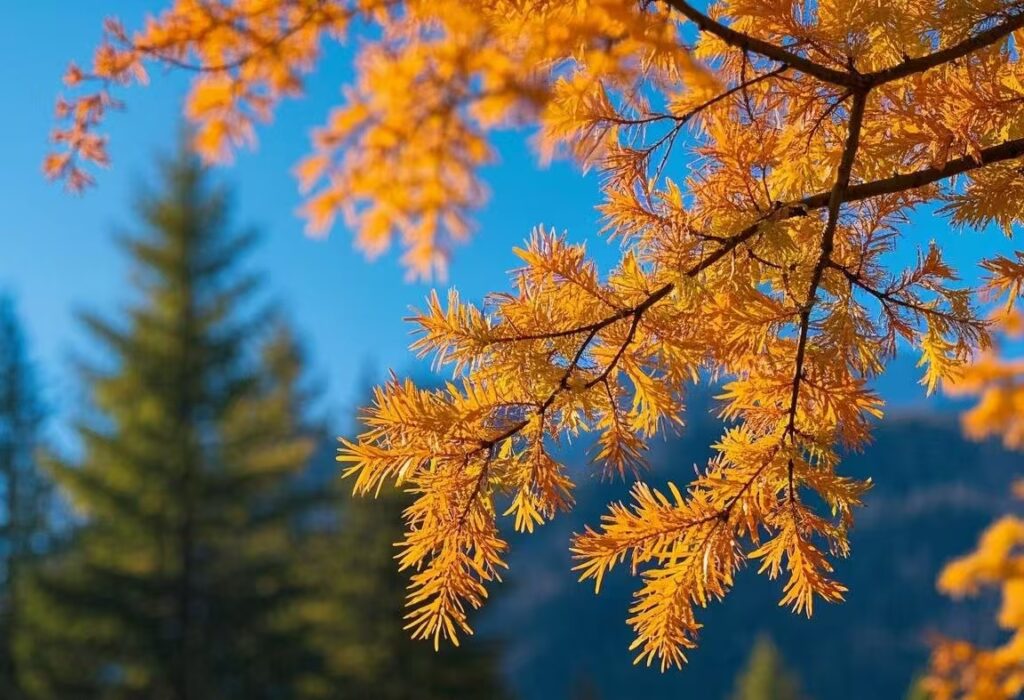
The larch tree is one of nature’s most fascinating and underrated trees. Unlike most conifers, which stay green year-round, the larch is a deciduous conifer, meaning it sheds its needles in the fall after turning a stunning shade of golden yellow. Found in cooler climates across North America, Europe, and Asia, the larch tree offers both visual beauty and ecological importance.
What Makes the Larch Tree Special?
🌲 A Conifer That Sheds Its Needles – Most conifers, like pines and firs, keep their needles all year. But larch trees turn golden yellow in autumn before dropping their needles, creating breathtaking landscapes.
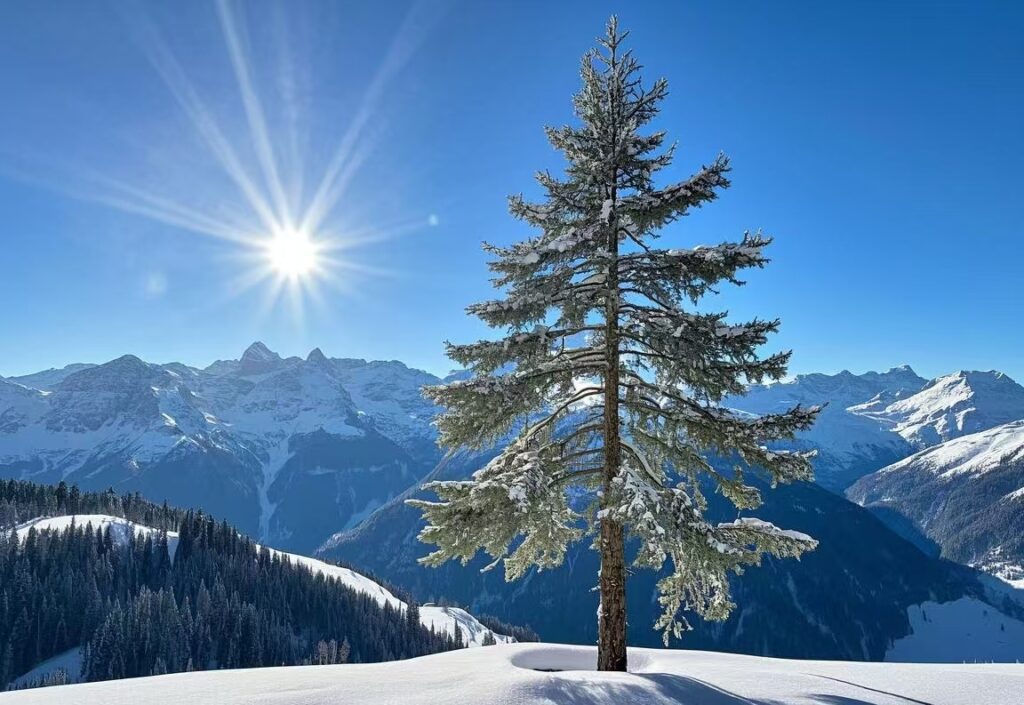
🏔️ Thrives in Harsh Climates – Larches are extremely hardy and can survive in cold, mountainous regions, making them a common sight in Alaska, Canada, Siberia, and the Alps.
🌱 Fast-Growing & Strong Wood – Larch wood is durable, water-resistant, and rot-resistant, making it ideal for construction, boats, and furniture.
🐦 Supports Wildlife – The larch tree provides shelter for birds and small mammals, while its seeds are a food source for various species.
Types of Larch Trees
There are several species of larch, but the most well-known include:
- Tamarack Larch (Larix laricina) – Native to North America, this species thrives in bogs and cold wetlands.
- European Larch (Larix decidua) – Common in the Alps, this tall species is valued for timber and reforestation.
- Siberian Larch (Larix sibirica) – Extremely cold-hardy, found in Russia and Mongolia, and often used for construction.
- Japanese Larch (Larix kaempferi) – Popular in landscaping and bonsai due to its elegant form.
Why Plant a Larch Tree?
If you’re considering adding a unique and beautiful tree to your landscape, the larch is a fantastic choice. It offers:
🍂 Seasonal Beauty – Green in spring and summer, golden yellow in autumn, and bare in winter—larches add variety to any landscape.
🏡 Low Maintenance – Larches are disease-resistant and don’t require much care once established.
🌿 Eco-Friendly Benefits – Larch trees help improve soil, absorb carbon dioxide, and support biodiversity.
Final Thoughts
The larch tree is a true natural wonder—offering beauty, resilience, and ecological benefits all in one. Whether you admire them in the wild or plant one in your yard, larches are a stunning reminder of nature’s adaptability and seasonal magic.
🍂✨ Have you ever seen a larch tree in its golden autumn glory? Share your experience in the comments below! 🌲