Have you ever planted something that didn’t bloom the first year but flourished the next? That’s the magic of biennial plants! These unique plants have a two-year life cycle and can reproduce by both seeds and vegetative propagation. Let’s explore how they grow, examples of popular biennials, and how to care for them.
🌿 What is a Biennial Plant?
A biennial plant is a plant that takes two years to complete its life cycle before dying. Unlike annuals (which complete their cycle in one year) or perennials (which live for multiple years), biennials grow and develop in two distinct phases:
Year 1: Growth & Development
- In the first year, the plant focuses on growing leaves, roots, and stems.
- It usually forms a rosette of leaves near the ground.
- It stores energy in its roots for the next growing season.
Year 2: Flowering, Reproduction & Death
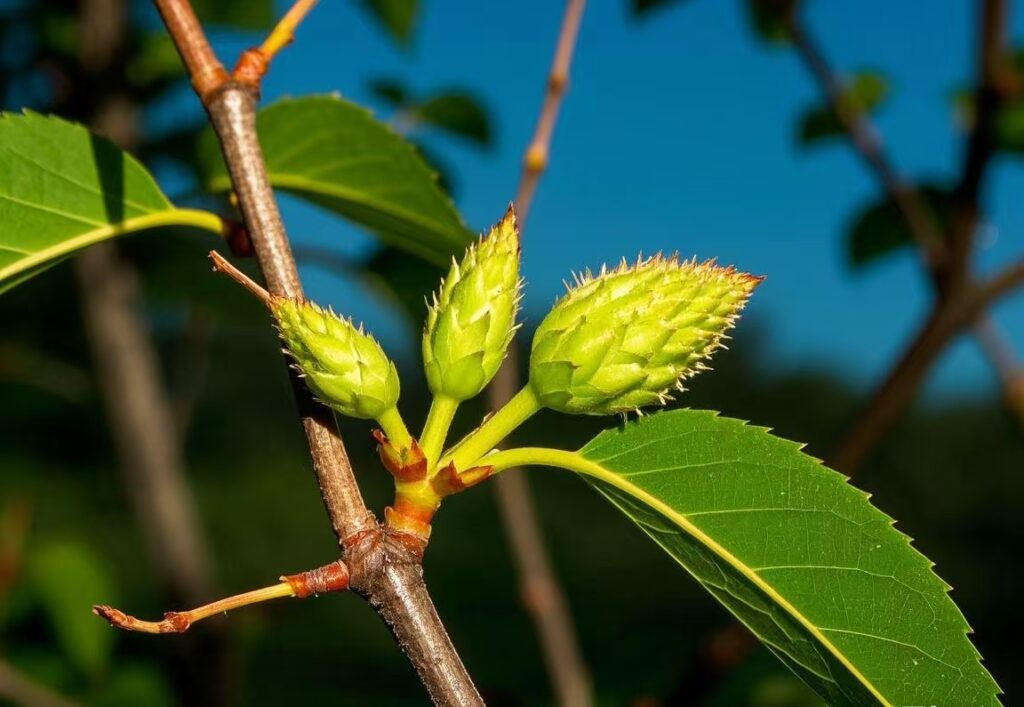
- In the second year, the plant grows taller, flowers, and produces seeds.
- Once it sets seeds, the plant completes its life cycle and dies.
🌼 Examples of Biennial Plants
✔️ Flowers: Foxglove, Sweet William, Hollyhocks
✔️ Vegetables: Carrots, Onions, Cabbage, Parsley
✔️ Herbs: Fennel, Parsley
🌱 How Do Biennial Plants Reproduce?
Biennial plants primarily reproduce by seeds, but some can also spread through vegetative propagation, such as:
✔️ Self-seeding – The plant drops seeds that grow into new plants the following season.
✔️ Root division – Some biennials can regrow from parts of their roots.
🌿 How to Grow and Care for Biennial Plants
📍 Planting
- Sow biennial seeds in late spring or early summer.
- Ensure they have well-draining soil and plenty of sunlight.
💧 Watering & Fertilizing
- Keep soil moist but not soggy in the first year to encourage root growth.
- Apply a balanced fertilizer during the first year to help the plant store energy.
🌡️ Overwintering
- Many biennials need cold temperatures (vernalization) during winter to trigger flowering in year two.
- In cold climates, mulch around the plant to protect roots from frost.
🌸 Final Thoughts
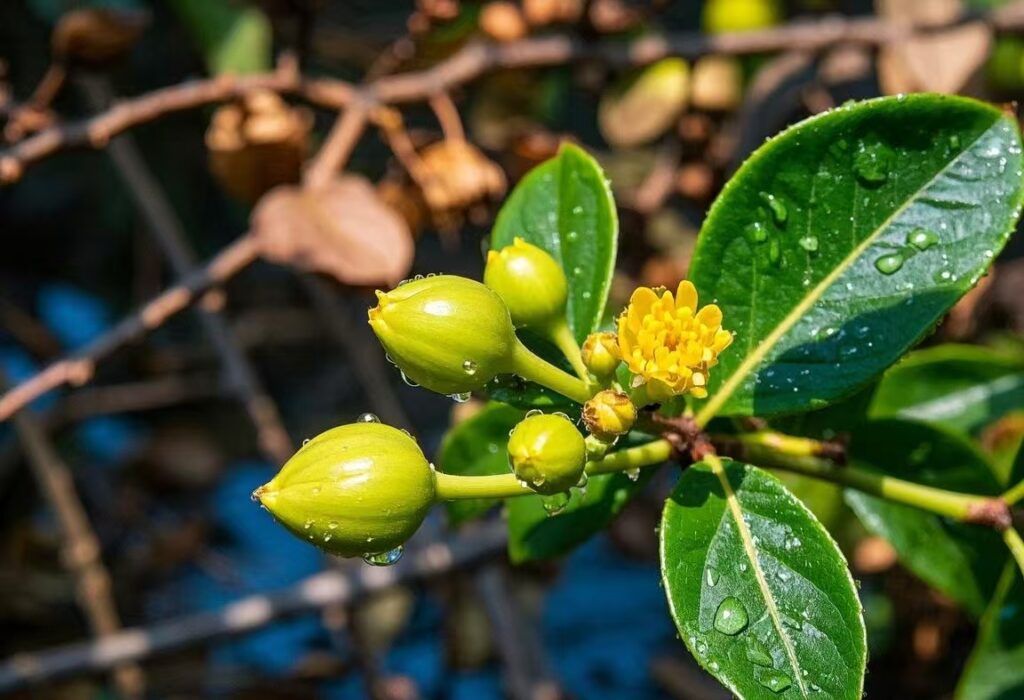
Biennial plants may take patience, but they reward gardeners with beautiful blooms and delicious vegetables in their second year. Whether you’re growing foxgloves in your flower bed or carrots in your vegetable garden, understanding their two-year life cycle will help you cultivate them successfully.
Are you growing any biennial plants? Share your experience in the comments! 🌱💚