If you’re a gardening enthusiast in Seattle, you might be wondering if it’s possible to grow bay laurel (Laurus nobilis) in the Pacific Northwest’s unique climate. The good news is, yes, you can! With its mild, wet winters and cool summers, Seattle provides a suitable environment for this versatile and aromatic herb. In this blog, we’ll explore everything you need to know about growing bay laurel in Seattle, from planting tips to care and harvesting.
Why Grow Bay Laurel?
Bay laurel is a wonderful addition to any garden, and here’s why:
- Culinary Uses: The leaves are a staple in soups, stews, and sauces, adding a rich, earthy flavor.
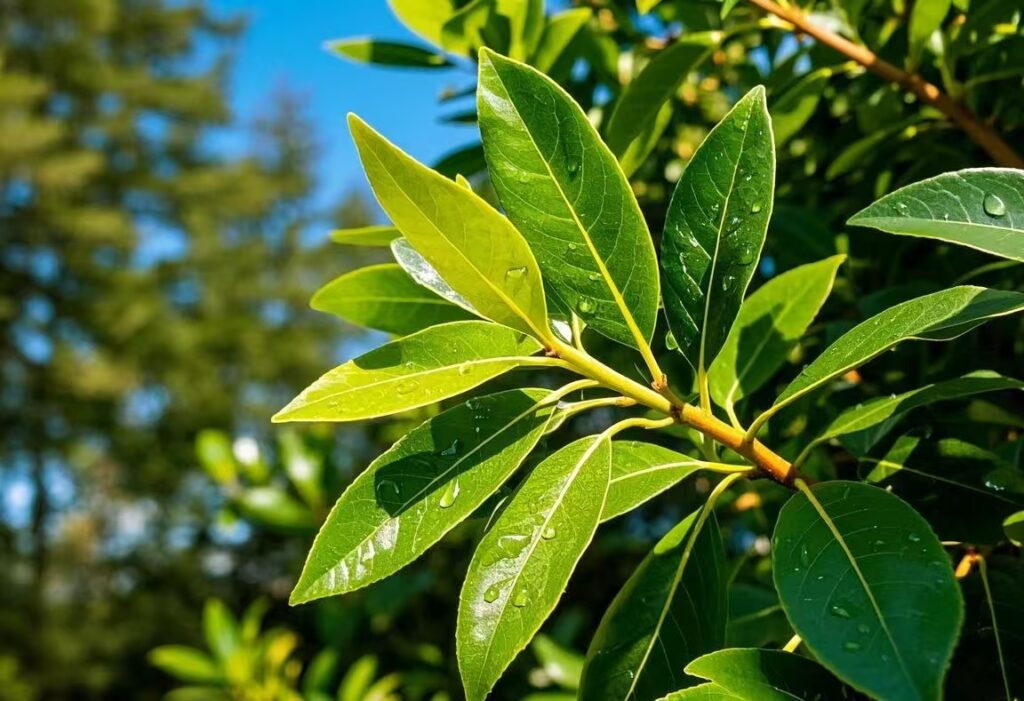
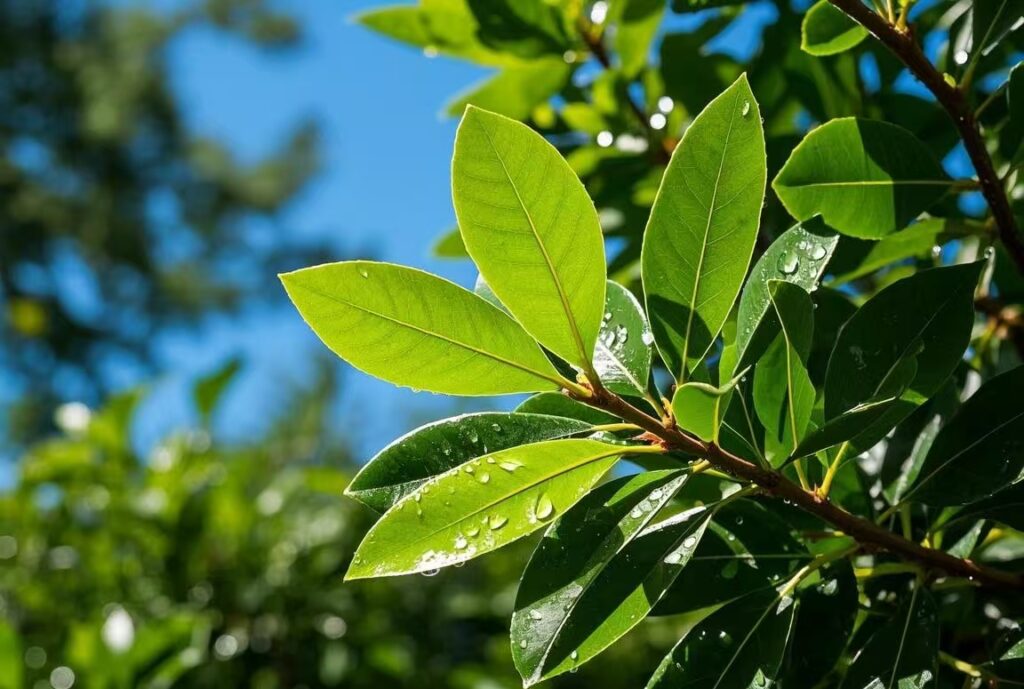
- Aesthetic Appeal: With its glossy, dark green leaves, bay laurel is an attractive evergreen shrub that can enhance your garden’s beauty.
- Low Maintenance: Once established, bay laurel is relatively easy to care for.
- Versatility: It can be grown in the ground or in containers, making it suitable for gardens of all sizes.
Understanding Seattle’s Climate
Seattle’s climate is characterized by mild, wet winters and cool, dry summers. While bay laurel is native to the Mediterranean region and prefers warmer, drier conditions, it can thrive in Seattle with a little extra care. Here’s what to keep in mind:
- Temperature: Bay laurel is hardy in USDA zones 8-10, and Seattle falls within zone 8. This means it can tolerate the city’s mild winters but may need protection during colder snaps.
- Rainfall: Seattle’s wet winters can lead to waterlogged soil, which bay laurel dislikes. Proper drainage is key.
- Sunlight: Bay laurel prefers full sun to partial shade, so choose a spot that gets at least 6 hours of sunlight daily.
How to Grow Bay Laurel in Seattle
1. Choosing the Right Location
- Sunlight: Select a sunny spot in your garden or balcony. If planting indoors, place it near a south-facing window.
- Drainage: Ensure the soil is well-draining. If your garden has heavy clay soil, consider planting in raised beds or containers.
2. Planting
- Timing: The best time to plant bay laurel in Seattle is in the spring, after the last frost, or in early fall.
- Soil: Use well-draining soil with a slightly acidic to neutral pH (6.0-7.0). You can amend the soil with compost or sand to improve drainage.
- Spacing: If planting multiple shrubs, space them at least 3-4 feet apart to allow for growth.
3. Watering
- Bay laurel prefers moderate watering. Allow the soil to dry out slightly between waterings to prevent root rot.
- During Seattle’s rainy winters, you may not need to water at all. In summer, water deeply once a week.
4. Fertilizing
- Feed your bay laurel with a balanced, slow-release fertilizer in the spring and mid-summer. Avoid over-fertilizing, as this can lead to excessive leaf growth with less flavor.
5. Pruning
- Prune your bay laurel in late winter or early spring to maintain its shape and encourage bushier growth. Remove any dead or damaged branches.
6. Winter Care
- While bay laurel can tolerate mild frost, Seattle’s occasional cold snaps may require extra protection. Cover the plant with frost cloth or move potted plants indoors during freezing temperatures.
Growing Bay Laurel in Containers
If you’re short on garden space or want more control over the plant’s environment, consider growing bay laurel in a container. Here’s how:
- Choose a Large Pot: Use a pot that’s at least 12-16 inches in diameter with drainage holes.
- Use Quality Soil: Fill the pot with well-draining potting mix.
- Monitor Watering: Container plants dry out faster, so check the soil moisture regularly.
- Bring Indoors in Winter: Move the pot indoors or to a sheltered area during freezing weather.
Harvesting Bay Leaves
One of the joys of growing bay laurel is harvesting your own fresh bay leaves. Here’s how to do it:
- Timing: Wait until the plant is at least 2 years old before harvesting.
- Method: Pick mature, dark green leaves as needed. Fresh leaves can be used immediately, or you can dry them for long-term storage.
- Drying: To dry bay leaves, spread them out in a single layer in a cool, dark place for 1-2 weeks. Store dried leaves in an airtight container.
Common Challenges and Solutions
- Yellowing Leaves: This can be a sign of overwatering or poor drainage. Adjust your watering schedule and ensure the soil drains well.
- Pests: Bay laurel is relatively pest-resistant, but keep an eye out for scale insects or aphids. Treat with insecticidal soap if necessary.
- Slow Growth: Bay laurel grows slowly, especially in cooler climates. Be patient and ensure it gets enough sunlight and nutrients.
Conclusion
Growing bay laurel in Seattle is not only possible but also rewarding. With its aromatic leaves and elegant appearance, this versatile herb can thrive in the Pacific Northwest with a little care and attention. Whether you’re a seasoned gardener or a beginner, adding bay laurel to your garden or patio is a decision you won’t regret.
So, why not give it a try? Plant a bay laurel today and enjoy the satisfaction of harvesting your own fresh bay leaves for years to come.
Do you have experience growing bay laurel in Seattle or a similar climate? Share your tips, stories, or questions in the comments below—I’d love to hear from you! 🌿🌧️