The “cabeza de tráiler”, or semi-truck cab, is the essential powerhouse of long-haul transportation. Whether you’re on the highway or in a bustling logistics hub, these massive vehicles play a crucial role in moving goods across cities, countries, and continents. But what exactly makes a cabeza de tráiler so important? Let’s take a closer look at its function, types, and impact on the transportation industry.
1. What is a Cabeza de Tráiler?
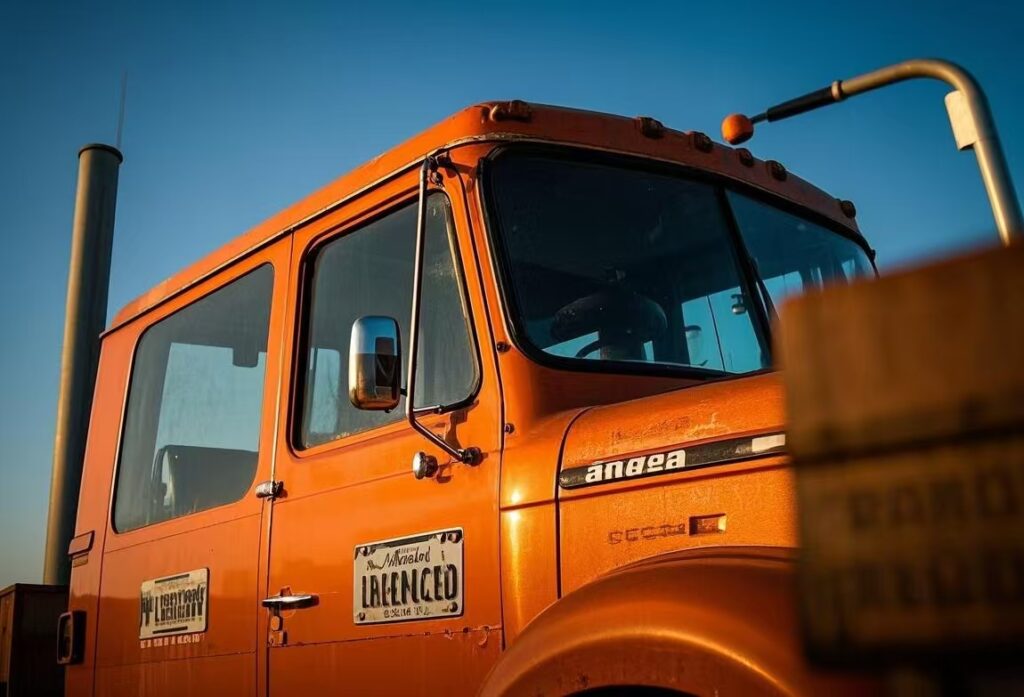
The term “cabeza de tráiler” refers to the front section (cab) of a semi-truck, which houses the engine, driver’s cabin, and control systems. It is responsible for pulling heavy trailers loaded with cargo. Unlike standard trucks, these vehicles are designed for power, endurance, and efficiency over long distances.
2. Key Features of a Semi-Truck Cab
A modern cabeza de tráiler is built for both performance and driver comfort, featuring:
- Powerful Diesel Engines – Designed to tow heavy loads efficiently.
- Aerodynamic Design – Reduces fuel consumption and improves handling.
- Spacious Cabin Interiors – Many models include sleeper berths for long-haul drivers.
- Advanced Safety Systems – ABS, lane assist, and collision prevention technology.
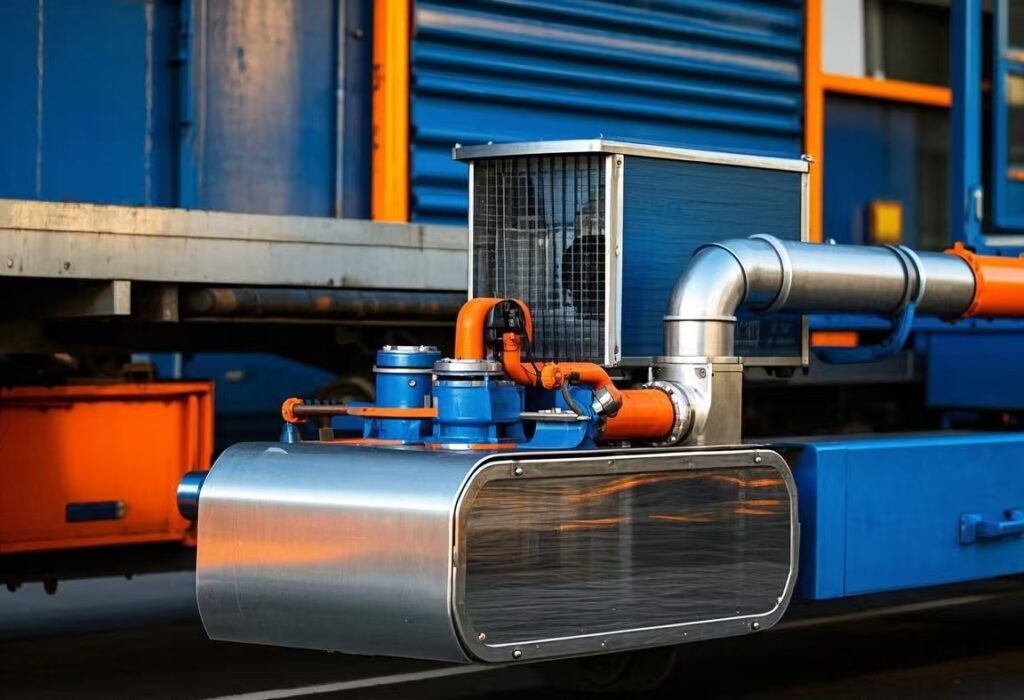
3. Types of Semi-Truck Cabs
- Day Cab – Lighter, more compact, and designed for short-distance transport without a sleeper compartment.
- Sleeper Cab – Equipped with a sleeping area for long-haul drivers, making it ideal for cross-country trips.
- Cab-Over (Flat-Front) vs. Conventional Cab – Cab-over trucks are more common in Europe, while conventional cabs with long hoods dominate in North America.
4. The Importance of Semi-Trucks in Logistics
Without cabezas de tráiler, modern supply chains would come to a halt. These trucks:
- Transport essential goods such as food, medicine, and consumer products.
- Support global trade, connecting manufacturers, suppliers, and retailers.
- Drive economic growth, creating jobs in trucking, logistics, and maintenance.
5. The Future of Semi-Trucks
With advances in technology, the trucking industry is evolving. Innovations include:
- Electric and Hybrid Semi-Trucks – Reducing fuel emissions for a greener future.
- Autonomous Driving Technology – Enhancing safety and efficiency on highways.
- Improved Connectivity – Real-time tracking and AI-assisted logistics for better fleet management.
Final Thoughts
The cabeza de tráiler is much more than just a truck cab—it’s the driving force behind global commerce. As technology continues to reshape the industry, these vehicles will become even more efficient, sustainable, and essential to our everyday lives.
What are your thoughts on the future of trucking? Share your insights in the comments below! 🚛💨