The Dianthus flower, often referred to as “Pinks,” is a beloved garden favorite known for its delicate, fringed petals and delightful fragrance. With its rich history, vibrant colors, and easy-care nature, this charming bloom has captivated gardeners for centuries.
1. Why Are Dianthus Called “Pinks”?
Despite the name, “Pinks” doesn’t just refer to the color of these flowers. The term actually comes from the fringed edges of the petals, which appear as if they’ve been trimmed with pinking shears. These flowers come in shades of pink, red, white, and even purple, making them a versatile choice for gardens and floral arrangements.
2. A Flower Steeped in History
Dianthus has been cultivated for over 2,000 years and holds significant cultural meanings:
- In Greek mythology, its name means “divine flower” (Dios = divine, Anthos = flower).
- Victorian floriography (the language of flowers) associates Dianthus with love, admiration, and passion.
- In traditional medicine, certain varieties were believed to have healing properties.
3. Popular Varieties of Dianthus
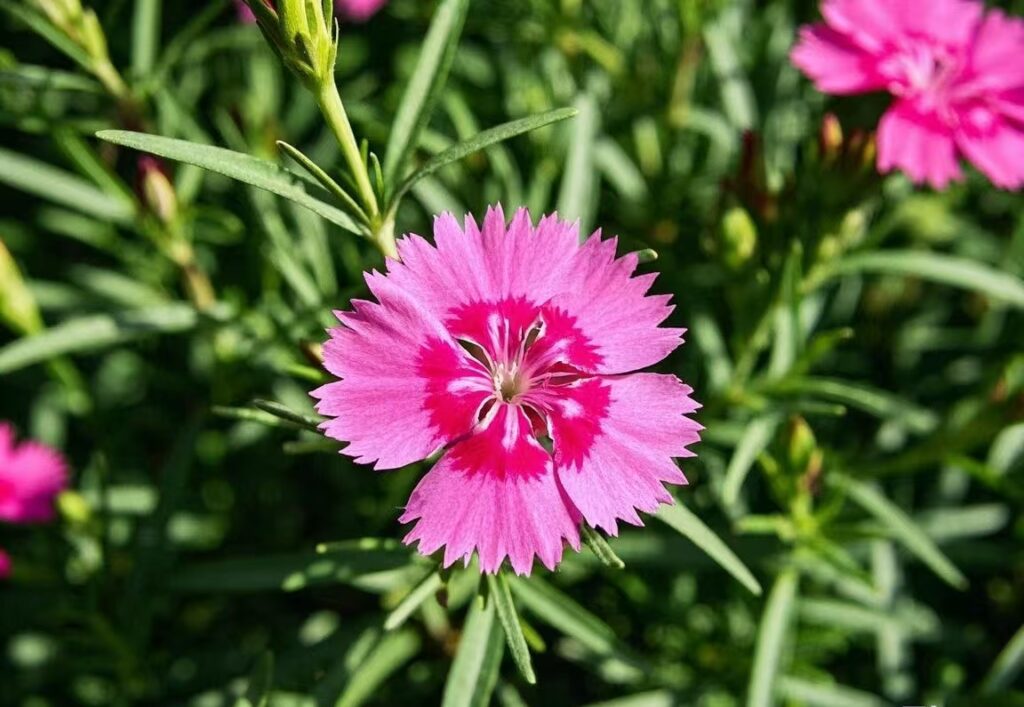
There are several well-loved types of Dianthus, each offering unique beauty:
- Dianthus caryophyllus – Commonly known as the Carnation, often used in bouquets.
- Dianthus barbatus – Known as Sweet William, a favorite for cottage gardens.
- Dianthus deltoides – The Maiden Pink, a delicate groundcover with small blossoms.
- Dianthus chinensis – The Chinese Pink, a compact variety ideal for containers.
4. Growing and Caring for Dianthus
Dianthus is loved not just for its beauty but also for its low-maintenance nature. Here’s how to keep it thriving:
- Sunlight: Prefers full sun for the best blooms.
- Soil: Well-drained soil with moderate fertility is ideal.
- Watering: Keep soil slightly moist but avoid overwatering.
- Pruning: Deadhead spent blooms to encourage continuous flowering.
5. Why You Should Grow “Pinks”
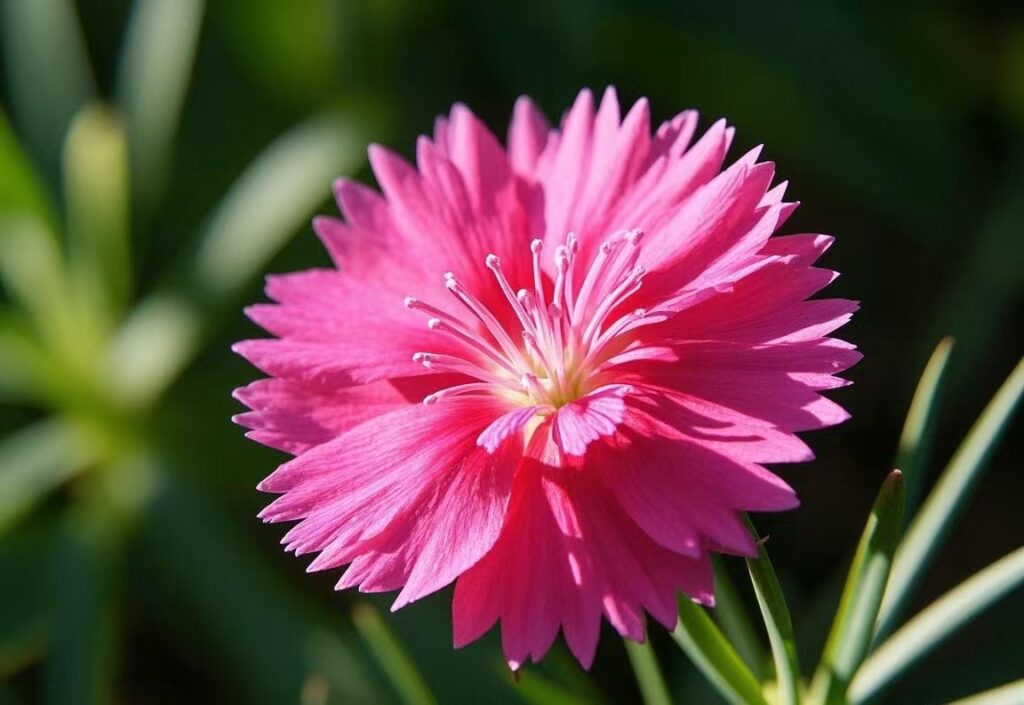
Beyond their visual appeal, Dianthus flowers attract pollinators like bees and butterflies while being resistant to deer and rabbits. Their spicy, clove-like fragrance makes them perfect for cutting gardens and floral arrangements.
Final Thoughts
Whether you call them Dianthus, Pinks, or Carnations, these charming flowers bring elegance, history, and fragrance to any space. With their rich symbolism and easy-growing nature, it’s no wonder they’ve remained a garden favorite for centuries.
Do you grow Dianthus in your garden? Share your favorite varieties in the comments below! 🌸✨