Introduction
Amaryllis plants are beloved for their striking, trumpet-shaped flowers that bring vibrant color and elegance to any space. Known for their ease of care and spectacular blooms, amaryllis bulbs are a popular choice for both novice and experienced gardeners. Whether you’re growing them indoors or outdoors, proper care is essential to ensure healthy growth and stunning flowers. In this blog, we’ll explore everything you need to know about amaryllis care, from planting to post-bloom maintenance.
Choosing the Right Amaryllis Bulb
When selecting an amaryllis bulb, look for one that is firm, dry, and free from mold or blemishes. Larger bulbs typically produce more flowers, so choose the biggest bulb you can find within your budget. Popular varieties include ‘Red Lion,’ ‘Apple Blossom,’ and ‘Minerva,’ each offering unique colors and patterns.
Planting Your Amaryllis
- Container Selection: Choose a pot that is about 1-2 inches wider than the bulb. Ensure the pot has drainage holes to prevent waterlogging.
- Soil: Use a well-draining potting mix. You can also add some sand or perlite to improve drainage.
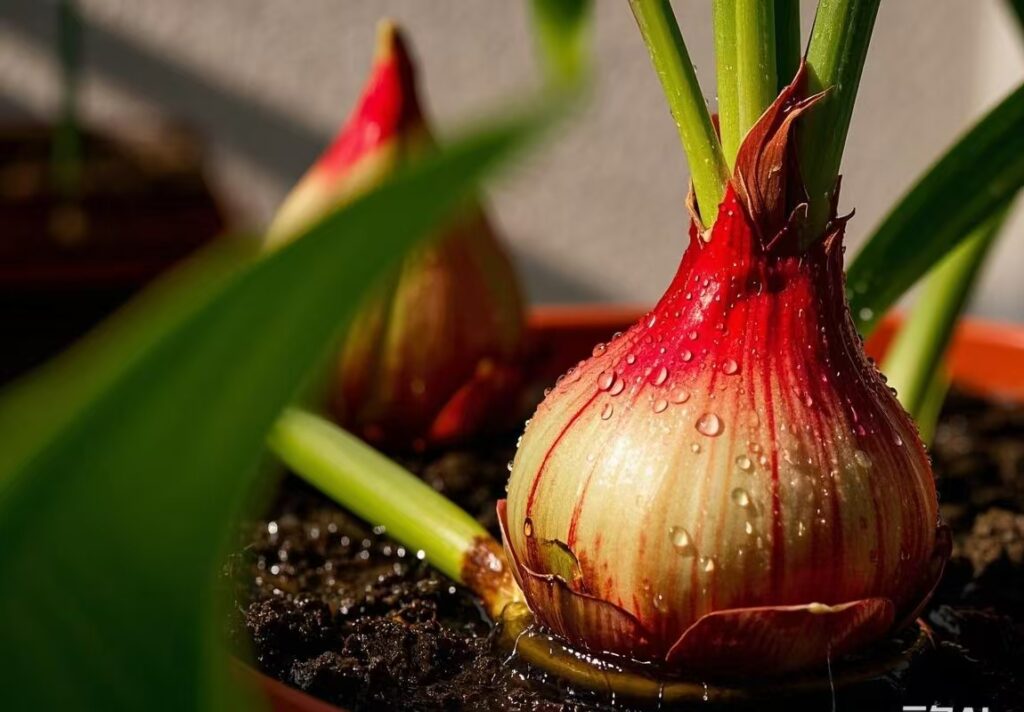
- Planting Depth: Plant the bulb so that about one-third to one-half of it is above the soil surface. This helps prevent rot and encourages healthy growth.
- Watering: Water the bulb thoroughly after planting, then allow the soil to dry out slightly between waterings. Overwatering can lead to bulb rot.
Caring for Your Amaryllis
- Light: Place the pot in a bright, sunny location. Amaryllis plants thrive in direct sunlight, which helps them produce strong, sturdy stems and vibrant blooms.
- Temperature: Maintain a room temperature of around 65-75°F (18-24°C). Avoid placing the plant in drafty areas or near heat sources.
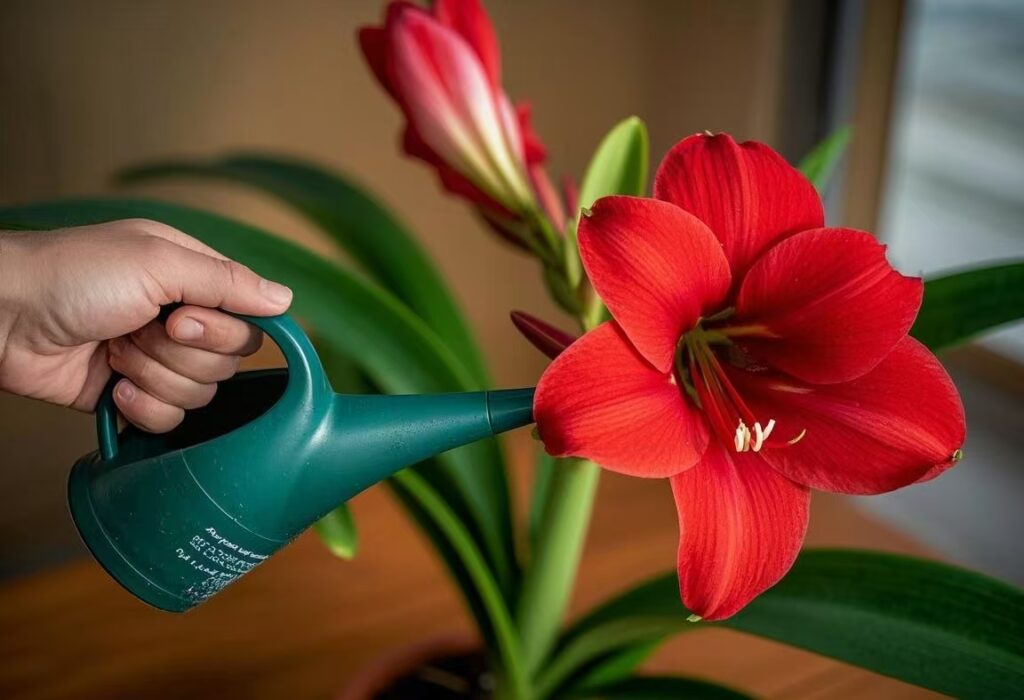
- Watering: Keep the soil moist but not waterlogged. Water sparingly until you see new growth, then increase watering as the plant develops.
- Fertilizing: Feed your amaryllis with a balanced, water-soluble fertilizer every 2-4 weeks during the growing season. This will support healthy growth and abundant blooms.
Encouraging Blooms
Amaryllis bulbs typically bloom 6-8 weeks after planting. To encourage blooming:
- Provide Adequate Light: Ensure the plant receives plenty of sunlight.
- Maintain Consistent Care: Regular watering and fertilizing will support healthy growth and flower production.
- Rotate the Pot: Rotate the pot every few days to ensure even growth and prevent the plant from leaning toward the light.
Post-Bloom Care
After your amaryllis has finished blooming, proper care will ensure it blooms again the following year:
- Deadheading: Remove spent flowers to prevent seed formation, which can drain the bulb’s energy.
- Leaf Growth: Allow the leaves to continue growing. They are essential for photosynthesis, which helps the bulb store energy for next year’s blooms.
- Watering and Fertilizing: Continue to water and fertilize the plant regularly to support leaf growth.
- Dormancy: In late summer or early fall, reduce watering and allow the leaves to die back naturally. Place the bulb in a cool, dark place (around 50-55°F or 10-13°C) for 8-10 weeks to simulate dormancy.
- Replanting: After the dormancy period, repot the bulb in fresh soil and resume regular care to encourage new growth and blooms.
Conclusion
With their stunning blooms and relatively easy care, amaryllis plants are a delightful addition to any home or garden. By following these tips for planting, growing, and maintaining your amaryllis, you can enjoy vibrant flowers year after year. Whether you’re a seasoned gardener or a beginner, the beauty and elegance of amaryllis are sure to bring joy and color to your space.
Happy gardening! 🌸