For many, the arrival of late summer and early fall brings more than just cooler weather and pumpkin spice—it also marks the start of ragweed season. This unassuming plant is one of the most common triggers of seasonal allergies, affecting millions of people each year. In this blog, we’ll take a closer look at ragweed, how to identify it, and why it’s such a potent allergen. Plus, we’ll share tips for managing ragweed allergies so you can enjoy the season without the sneezes.
What is Ragweed?
Ragweed is a genus of flowering plants in the aster family, scientifically known as Ambrosia. There are about 17 species of ragweed in North America, with common ragweed (Ambrosia artemisiifolia) and giant ragweed (Ambrosia trifida) being the most widespread. These plants thrive in disturbed soils, such as roadsides, fields, and vacant lots, and are known for their ability to produce vast amounts of pollen.
How to Identify Ragweed
If you’ve ever wondered what ragweed looks like, here are some key characteristics to help you spot it:
- Leaves:
- Common ragweed has deeply lobed, fern-like leaves that are green and slightly hairy.
- Giant ragweed, as the name suggests, has larger leaves with three to five lobes.
- Stems:
- Ragweed stems are typically green, sturdy, and covered in fine hairs.
- Giant ragweed can grow up to 15 feet tall, while common ragweed usually reaches 1 to 4 feet in height.
- Flowers:
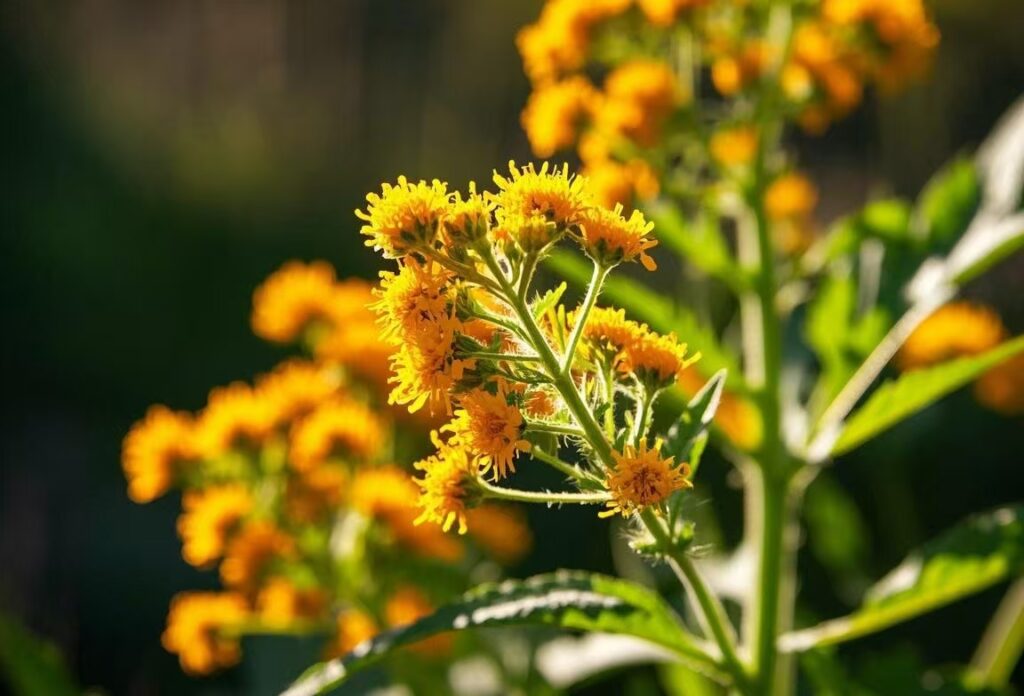
- Ragweed flowers are small, green, and inconspicuous. They grow in clusters on spikes at the top of the plant.
- Unlike showy flowers, ragweed blooms are wind-pollinated, which is why they release so much pollen into the air.
- Habitat:
- Ragweed thrives in open, sunny areas with poor soil. Look for it in fields, along roadsides, and in vacant lots.
Why is Ragweed Such a Problem?
Ragweed is a major contributor to hay fever (allergic rhinitis) and other seasonal allergies. Here’s why it’s so notorious:
- Pollen Production: A single ragweed plant can produce up to 1 billion grains of pollen in a season.
- Wind Dispersal: Ragweed pollen is lightweight and easily carried by the wind, traveling hundreds of miles.
- Long Season: Ragweed season typically runs from late summer to the first frost, making it a prolonged source of discomfort for allergy sufferers.
Symptoms of Ragweed Allergies
If you’re allergic to ragweed pollen, you may experience:
- Sneezing
- Runny or stuffy nose
- Itchy, watery eyes
- Scratchy throat
- Coughing or wheezing
- Fatigue
Tips for Managing Ragweed Allergies
- Monitor Pollen Counts: Check local pollen forecasts and try to stay indoors on high-pollen days.
- Keep Windows Closed: Prevent pollen from entering your home by keeping windows and doors shut.
- Use Air Purifiers: HEPA filters can help remove pollen from indoor air.
- Shower After Being Outside: Rinse off pollen from your skin and hair to reduce exposure.
- Take Allergy Medications: Antihistamines, nasal sprays, and decongestants can help alleviate symptoms.
- Consult an Allergist: If symptoms are severe, consider allergy testing or immunotherapy (allergy shots).
Fun Fact: Ragweed’s Role in Nature
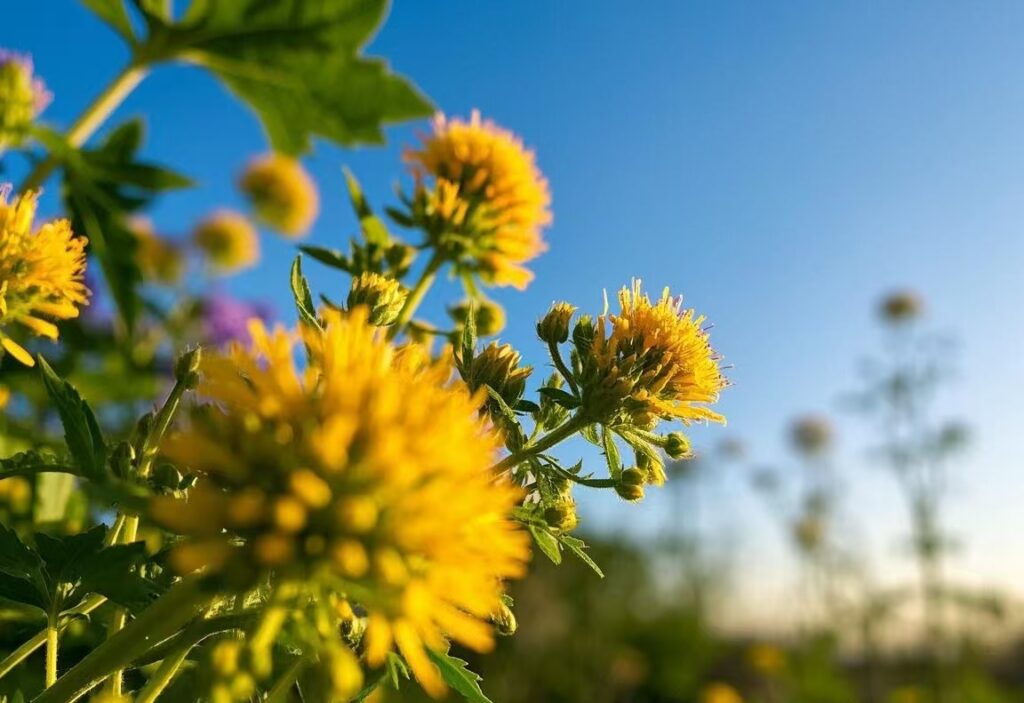
While ragweed is a nuisance for allergy sufferers, it plays an important role in ecosystems. Its seeds are a food source for birds and small mammals, and its presence can indicate soil health and succession in disturbed areas.
Final Thoughts
Ragweed may be small, but its impact on allergy sufferers is anything but. By learning to identify this plant and taking steps to manage your exposure, you can reduce its effects and enjoy the beauty of late summer and early fall. So, the next time you see a photo of ragweed or spot it in the wild, you’ll know exactly what you’re dealing with—and how to keep those allergies at bay.