If you’ve ever ventured outdoors, whether for a hike in the woods or a simple stroll through the backyard, you’ve probably heard of poison ivy. It’s one of the most common causes of allergic skin reactions, and it can be found in forests, fields, parks, and even urban areas. While the rash that comes from coming into contact with poison ivy is uncomfortable, knowing how to identify and avoid it can make your outdoor adventures much more enjoyable. In this blog, we’ll explore everything you need to know about poison ivy, from how to identify it to how to treat a rash.
What is Poison Ivy?
Poison ivy (Toxicodendron radicans) is a perennial plant that produces an oily resin called urushiol, which is responsible for the allergic skin reaction most people experience after contact. This resin is found in all parts of the plant—leaves, stems, and roots—and can remain active for a long time even after the plant has been touched or removed.
Poison ivy grows in a variety of forms, including a shrub, vine, or ground cover. It’s commonly found in wooded areas, along the edges of forests, and in overgrown, disturbed areas such as trails or gardens. It can even grow along fences and trees in suburban areas.
How to Identify Poison Ivy
The key to avoiding poison ivy is being able to identify it. Fortunately, with a little knowledge, you can easily spot this troublesome plant. Here’s what to look for:
1. The “Leaves of Three” Rule
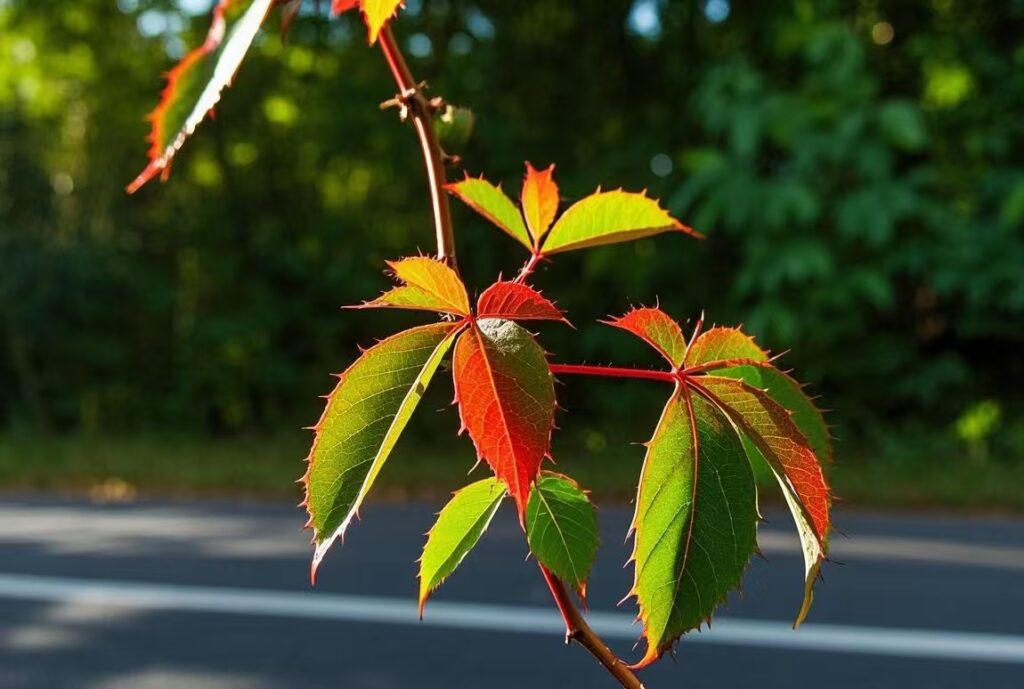
One of the most common ways to identify poison ivy is by the saying “Leaves of three, let it be.” Poison ivy typically has three leaflets, which may be glossy, smooth-edged, or slightly jagged. The leaves are often green in the spring and summer, turning red or yellow in the fall.
2. Leaf Appearance
- Shape: The leaflets are usually ovate (oval) or slightly lance-shaped. The middle leaf is typically larger than the two side leaves.
- Edges: The edges of the leaves can be smooth or slightly jagged, often described as “toothed” or “serrated.”
- Color: Poison ivy leaves are generally green in the summer, but they turn red or orange in the fall. In spring, they may have a reddish hue.
3. Vining vs. Shrub Form
Poison ivy can grow as:
- A Vine: It may climb trees or structures and often has hairy or fuzzy-looking roots.
- A Shrub: It can grow as a small bush or ground cover, particularly in areas with disturbed soil.
4. Petiole (Stems)
The stems connecting the leaflets (called petioles) are usually red or have a reddish tint, especially in the fall.
How Poison Ivy Spreads and What Causes the Rash
The rash caused by poison ivy is a result of an allergic reaction to the resin urushiol. This resin can be spread in several ways:
- Direct Contact: Touching the plant itself is the most common way to get a rash.
- Indirect Contact: Urushiol can be transferred by clothing, tools, pets, or even smoke from burning poison ivy.
- Scratching: Scratching the affected area can spread the resin to other parts of your body.
The rash caused by poison ivy typically appears 12-48 hours after exposure and is characterized by:
- Redness and swelling
- Itchy, raised bumps or blisters
- A linear or streak-like pattern (if the plant was brushed against with exposed skin)
How to Avoid Poison Ivy
Prevention is key when it comes to avoiding poison ivy. Here are some tips to help you stay safe outdoors:
1. Learn to Identify Poison Ivy
The best way to avoid poison ivy is to know what it looks like. Always be cautious when hiking or walking through wooded or overgrown areas, and remember the “Leaves of Three” rule.
2. Wear Protective Clothing
When you’re heading into areas where poison ivy is common, make sure to wear long sleeves, long pants, gloves, and boots. Protective clothing can help reduce the chances of coming into contact with the plant.
3. Use Barrier Creams
Some barrier creams are designed to help protect your skin from urushiol. These creams can be applied before heading into areas where poison ivy is common, acting as a barrier to the resin.
4. Avoid Touching Suspect Plants
If you’re unsure whether a plant is poison ivy, don’t touch it! Stick to well-traveled paths, and avoid brushing against plants in the wild.
5. Clean Up Properly After Exposure
If you think you’ve come into contact with poison ivy, immediately wash the exposed skin with soap and water. You should also wash any clothing, gear, or tools that may have come into contact with the plant to prevent spreading the resin.
How to Treat Poison Ivy
If you do come into contact with poison ivy and develop a rash, here’s how you can treat it:
1. Wash the Area
As soon as possible after contact, wash the affected area thoroughly with soap and water. This helps remove any urushiol that may still be on your skin. If you can’t wash with soap and water, use a special poison ivy scrub or wipes to remove the oil.
2. Apply Cold Compresses
Cold compresses or cool baths can help reduce swelling and soothe the itching. Avoid hot showers, as hot water can aggravate the rash.
3. Topical Corticosteroids
Over-the-counter hydrocortisone creams can help reduce inflammation and relieve itching. Apply the cream to the affected areas as directed.
4. Anti-Itch Creams and Ointments
Calamine lotion, colloidal oatmeal baths, or antihistamine creams can also provide relief from itching and discomfort.
5. Avoid Scratching
It can be tempting to scratch the rash, but doing so can worsen the irritation and increase the risk of infection. Try to resist scratching, and consider using anti-itch ointments to relieve the discomfort.
6. Seek Medical Attention
If the rash is severe, covers a large area of your body, or causes difficulty breathing (in cases where poison ivy smoke has been inhaled), seek medical attention immediately.
Conclusion: Stay Safe and Enjoy the Outdoors
Poison ivy may be a common outdoor irritant, but with a little knowledge, you can avoid it and treat the rash if you happen to come into contact with it. Always remember to follow the “Leaves of Three” rule, wear protective clothing when necessary, and wash any areas of your body or gear that may have touched the plant.
If you enjoy outdoor activities like hiking, camping, or gardening, taking these precautions will help ensure that your adventures remain fun and poison ivy-free. So, the next time you head outdoors, keep an eye out for poison ivy, and you’ll be better equipped to avoid it and keep your skin healthy and rash-free!