Nathaniel Hawthorne is one of the most celebrated authors of American literature, and much of his work is deeply tied to the history, culture, and atmosphere of Colonial America. His works often grapple with the complexities of human nature, sin, and morality, set against the backdrop of a young, developing nation. In this blog, we’ll take a stroll through the world of Colonial America, examining how Hawthorne’s experiences and observations shaped his writing, and how the environment of the time influenced some of his most iconic stories.
A Glimpse of Colonial America: The Foundation of Hawthorne’s Writing
Born in 1804 in Salem, Massachusetts, Nathaniel Hawthorne grew up in a country still influenced by the ideals, struggles, and religious tensions of its Colonial past. Many of the themes Hawthorne explored in his works—guilt, shame, hypocrisy, and the consequences of sin—were directly inspired by the rigid Puritan society that dominated early American history. Salem, where Hawthorne lived for much of his life, was itself a symbol of the Colonial period’s intensity, with its infamous witch trials and strict moral code.
Hawthorne’s ancestors were deeply intertwined with the Puritan legacy, with one of his forefathers even being involved in the Salem Witch Trials. This connection to the past haunted him throughout his life and became a significant theme in many of his stories. His sense of history and how it shaped the present gave him a unique lens through which he could examine American society, morality, and identity.
The Puritan Influence: Morality and Guilt
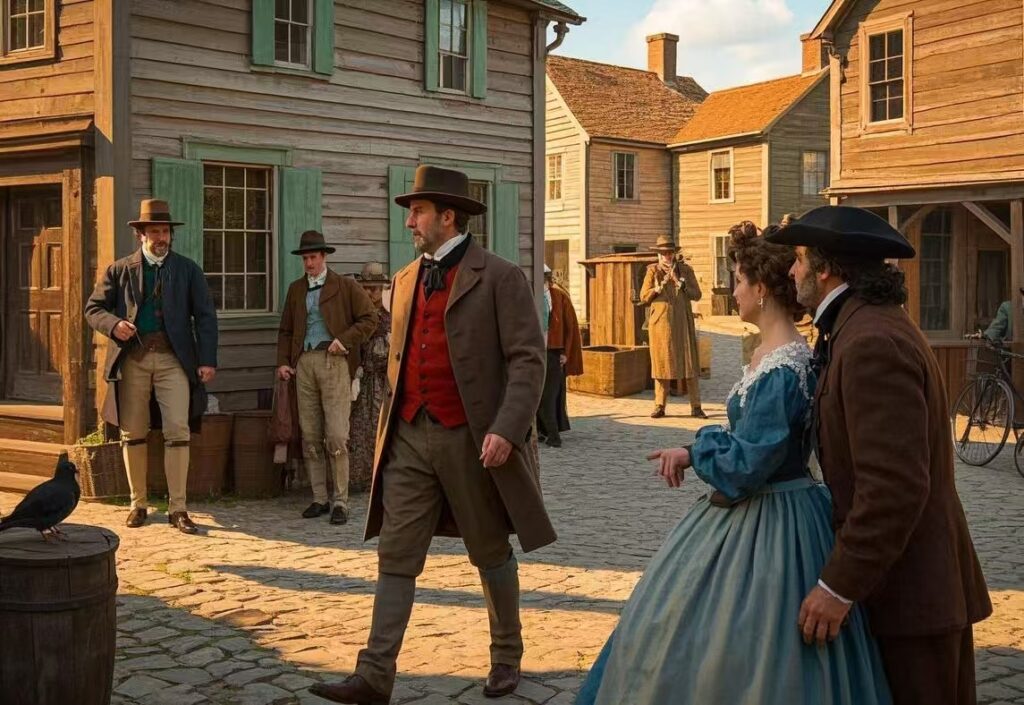
Colonial America, particularly New England, was heavily influenced by Puritan ideals. Puritans adhered to a strict moral code and saw the world through a lens of religious duty and sin. These values permeated every aspect of life, from laws to social interactions, and left a profound mark on Hawthorne’s writing.
In works such as The Scarlet Letter, the effects of the Puritanical moral compass are explored in depth. Set in 17th-century Puritan Massachusetts, the novel follows Hester Prynne, a woman who bears the shame of an adulterous affair. Hawthorne’s portrayal of Hester’s public shaming and her journey toward personal redemption speaks to the theme of guilt and the human desire for both personal and social absolution. The story is a profound meditation on the ways in which Colonial American society dealt with morality, sin, and the consequences of breaking societal norms.
Hawthorne was deeply critical of how the Puritan community imposed judgment and guilt on its members, and many of his works reflect a tension between individual desire and collective expectations. This tension is explored in a wide range of stories, including Young Goodman Brown, in which the protagonist embarks on a journey through the forest and experiences a crisis of faith, confronting the complexities of morality and evil in the context of his Puritan upbringing.
Colonial America and the Early American Identity
The early 19th century was a period of rapid change in America. While the United States had officially gained independence in 1776, many of the traditions and ideologies of Colonial America still lingered. Hawthorne’s stories, often set in the early years of the nation, reflect this duality—the pull between old-world beliefs and new-world ambitions.
In The House of the Seven Gables, Hawthorne explores themes of inheritance, guilt, and retribution, focusing on a family cursed by its past. This novel is a reflection of the weight of Colonial America’s legacy, particularly in how families were often bound by the sins of their ancestors. Hawthorne’s writing often delves into how the sins and actions of previous generations shape the moral and emotional lives of future generations, making his works resonate with anyone contemplating how history and identity are constructed.
Hawthorne’s portrayal of the impact of Colonial America on the present reflects a larger cultural concern with the formation of American identity. As America strove to separate itself from Europe, there was also an internal struggle to define what it meant to be American. Was the American character shaped by Puritanical ideals, or was it something else entirely? Hawthorne’s work doesn’t offer easy answers but instead encourages readers to reflect on the lasting influence of the past.
Nature and the Supernatural: A Reflection of Colonial America’s Mysticism
Nature, both as a physical and spiritual force, plays a crucial role in many of Hawthorne’s works, often evoking a sense of the supernatural. The dense forests of New England, with their towering trees and dark, shadowy paths, serve as both a literal and metaphorical space for personal transformation and moral discovery. In Young Goodman Brown, the forest represents a place of temptation and moral conflict, echoing the religious and mystical beliefs that were part of the Colonial landscape.
During the Colonial period, nature was often viewed through a dual lens—both a source of beauty and a symbol of the unknown and dangerous. The wilderness represented the untamed forces that could challenge human faith and virtue. For Hawthorne, nature was a powerful symbol of human complexity, a space where one’s deepest desires and fears could be confronted.
Moreover, the supernatural was an essential aspect of early American life. Stories of witches, ghosts, and spirits were part of the fabric of Colonial society, and Hawthorne incorporated these elements into his works to explore the boundaries between reality and illusion. His stories blur the line between the natural and supernatural worlds, creating a sense of ambiguity that reflects the uncertainty and fear many Americans felt in relation to their past and their future.
The Legacy of Colonial America in Hawthorne’s Work
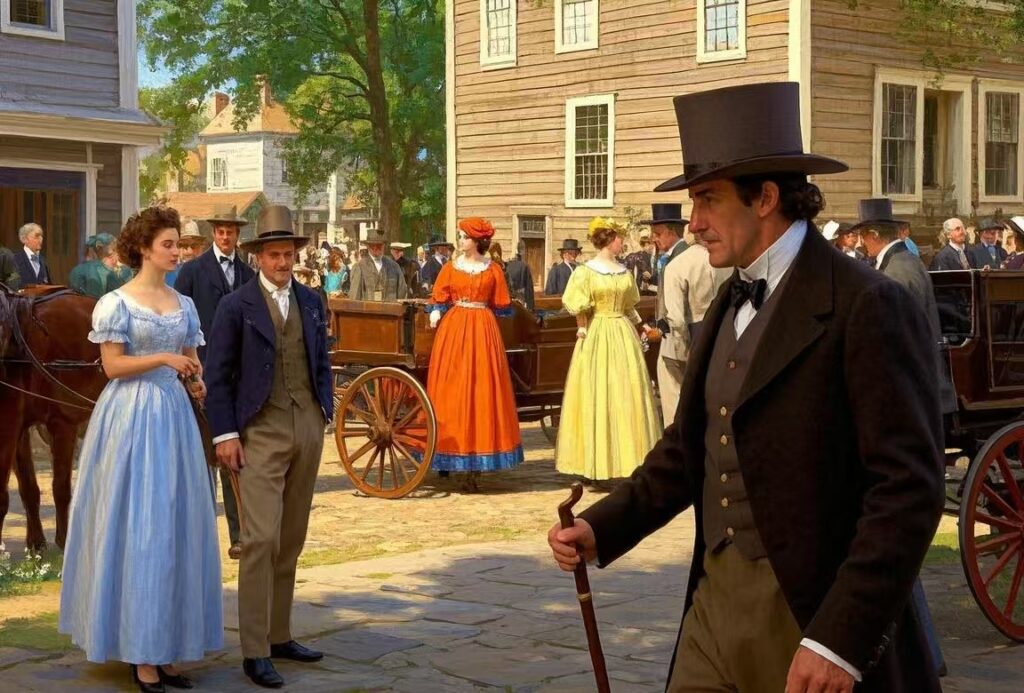
Nathaniel Hawthorne’s writing is inextricably linked to the history and values of Colonial America. His exploration of guilt, sin, and morality reflects the puritanical ideals that shaped the early American experience. At the same time, his nuanced depictions of the supernatural and the complexities of human nature suggest a broader reflection on the developing American identity—one that was still grappling with the legacies of its Colonial roots.
Through his rich and layered storytelling, Hawthorne reminds us that the past is never truly gone. It lives on in the stories we tell, the choices we make, and the identities we form. As we stroll through the pages of his works, we are reminded of how deeply the shadows of Colonial America continue to shape the American consciousness.
Conclusion
Hawthorne’s stroll through Colonial America offers us an insightful glimpse into the soul of early America. By exploring the moral dilemmas, the impact of history, and the interplay between nature and the supernatural, Hawthorne captures the complexities of the human experience, set against the backdrop of a nation in its formative years. His work serves as both a reflection of the past and a meditation on the moral and spiritual challenges that continue to resonate in contemporary American life. Whether we’re contemplating The Scarlet Letter, Young Goodman Brown, or The House of the Seven Gables, Hawthorne’s legacy continues to influence the way we understand the intersection of personal identity and cultural history.