When it comes to gardening, one of the most common questions among beginners and experienced gardeners alike is whether or not you should soak seeds before planting. Soaking seeds can be a simple step, but it can also make a big difference in how well your plants grow. If you’re looking to maximize your gardening success, understanding when and why to soak seeds can help you achieve better results. Let’s dive into the reasons behind soaking seeds, when it’s beneficial, and how to do it effectively.
Why Soak Seeds Before Planting?
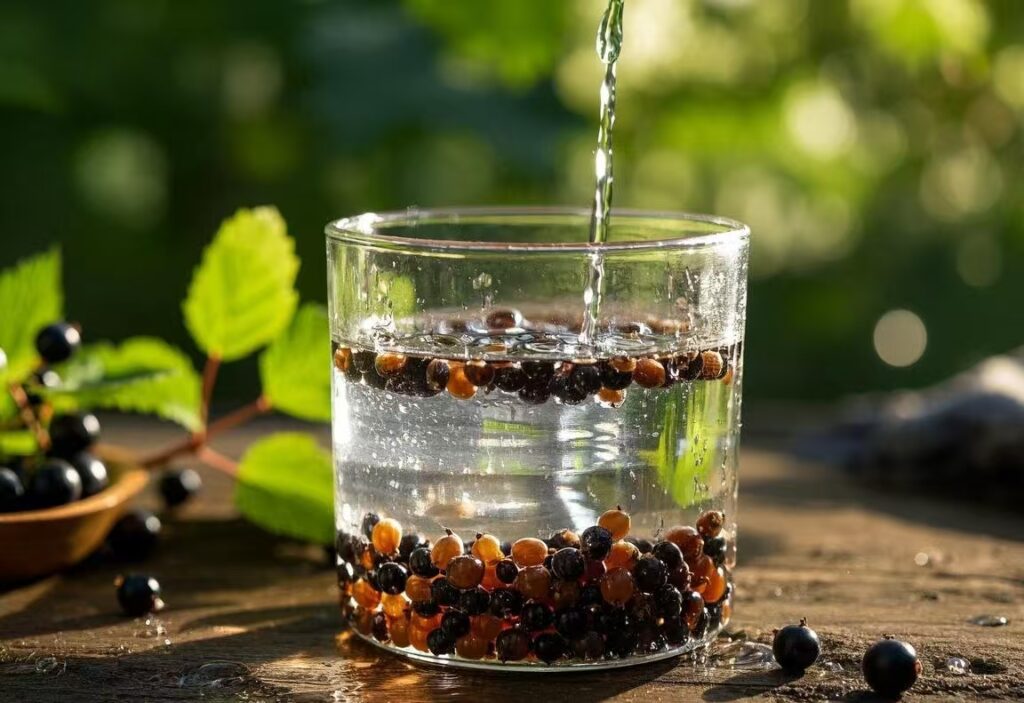
Soaking seeds before planting is a technique used to encourage faster and more uniform germination. Many seeds have hard outer coatings or are naturally dormant, and soaking can help break down those barriers, giving the seeds the best chance to sprout. When seeds absorb water, they begin to activate enzymes and other processes necessary for growth.
Here are some reasons why soaking seeds might be beneficial:
- Softening Seed Coatings: Some seeds, like beans or peas, have hard seed coats that can make it difficult for the seed to sprout. Soaking helps soften these coats, allowing the seed to absorb water more easily and start the germination process.
- Speeding Up Germination: By soaking seeds, you can speed up the germination process. Soaking jump-starts the process by triggering enzymes in the seed, allowing it to sprout quicker once planted. This is especially helpful for plants with long germination times, like corn or squash.
- Breaking Dormancy: Many seeds, especially those from plants that grow in cold climates, go through a natural dormancy period. Soaking can help mimic natural environmental conditions (like rain or snowmelt) and break this dormancy, encouraging the seeds to sprout.
- Reducing Plant Stress: Soaking seeds ensures that the seed has plenty of moisture to start with, reducing the chances of transplant shock or stress. This can lead to a healthier, stronger plant once it begins to grow.
- Improved Seedling Growth: Some gardeners believe that soaking seeds can lead to better overall plant health. The process can give seedlings a strong start, ensuring they’re well-hydrated when planted, which ultimately leads to more vigorous growth.
When Should You Soak Seeds?
Not all seeds benefit from soaking, and in fact, soaking certain seeds can harm them. It’s important to know which seeds benefit from soaking and which ones don’t.
Seeds That Benefit from Soaking:
- Beans (e.g., kidney, lima, and pinto beans): These seeds have hard coats and benefit greatly from soaking for 6-8 hours before planting.
- Peas: Similar to beans, peas benefit from a good soak as it helps them sprout more quickly.
- Corn: Soaking corn seeds can reduce germination time and give them a good start in the soil.
- Squash and Pumpkin: These seeds have tough coats, so soaking them can help speed up germination and improve your chances of success.
- Carrots and Beets: These root crops can benefit from soaking to ensure faster and more uniform germination.
Seeds That Shouldn’t Be Soaked:
- Tomatoes: Soaking tomato seeds can harm them and is not necessary for germination.
- Cucumbers: These seeds generally don’t need soaking and can germinate well without it.
- Radishes: Soaking radish seeds is unnecessary, as they typically germinate quickly in moist soil without additional help.
- Peppers: Pepper seeds are typically best planted dry and don’t require soaking.
- Herbs (e.g., basil, cilantro): Many herbs do not need soaking and germinate easily without this step.
How to Soak Seeds Correctly
If you’ve decided that soaking is beneficial for your seeds, here’s a simple guide on how to do it properly:
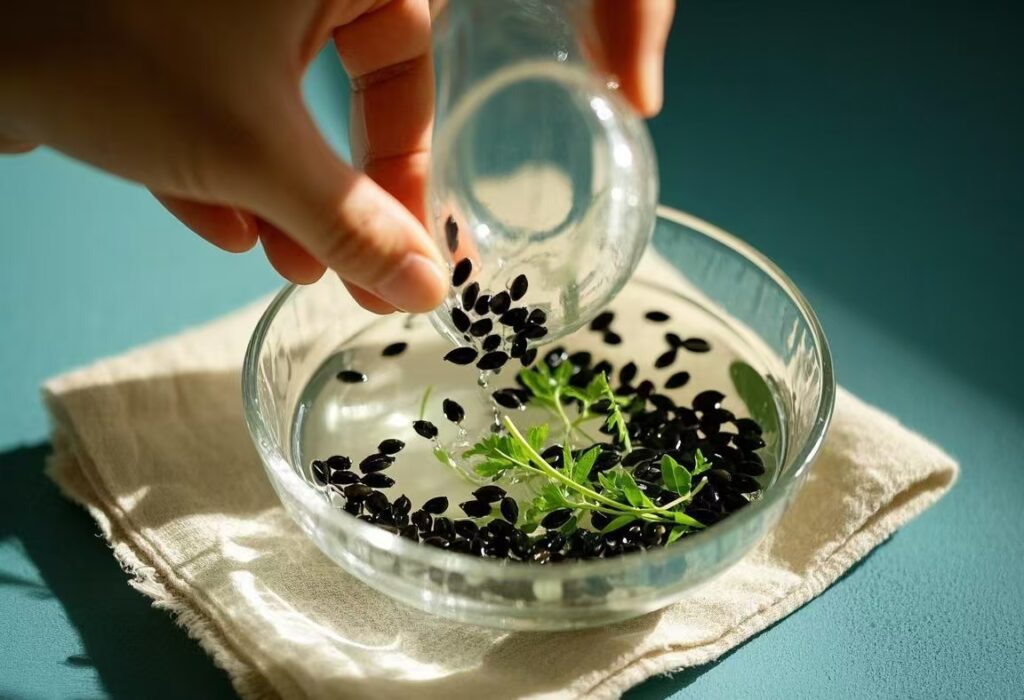
- Select Your Seeds: First, identify the seeds you’re going to soak. You can soak individual seeds or place a batch of seeds in a bowl or container, depending on the number of seeds you’re planting.
- Use Room Temperature Water: Use clean, room temperature water for soaking. Water that is too hot can damage the seed, while water that’s too cold might not activate the germination process.
- Soak for the Right Time: The ideal soaking time varies depending on the seed type. For most seeds, soaking for about 6-8 hours or overnight is ideal. However, some seeds, like beans or peas, can be soaked for up to 12-24 hours. Avoid soaking for too long, as seeds may begin to rot if left in water for extended periods.
- Drain and Dry the Seeds: After soaking, drain the seeds well to remove excess water. If you’re planting right away, you don’t need to dry them further. However, if you’re soaking them in advance, it’s best to dry them slightly before planting to avoid excess moisture in the soil.
- Plant the Seeds Immediately: Once the seeds are soaked and drained, plant them right away. Don’t let the seeds sit around for too long after soaking, as they may begin to sprout prematurely.
Tips for Soaking Seeds
- Avoid Over-soaking: Don’t leave seeds in water for more than 24 hours. If seeds sit too long, they may rot or lose their viability.
- Test for Viability: If you’re unsure whether the seeds are viable (especially old seeds), you can do a “float test.” Simply drop the seeds into a glass of water. Good seeds will sink, while bad seeds will float. This can help you ensure that you’re planting only viable seeds.
- Use a Warm, Moist Environment for Germination: After soaking, keep the seeds in a warm and moist environment to help them sprout. You can use seed trays with a humidity dome, or simply cover the seeds with a light layer of soil to keep the moisture in.
Conclusion
Soaking seeds before planting can be a game-changer in your gardening success, especially when it comes to seeds with hard coatings or those that benefit from a quicker start. By soaking seeds, you give them the best chance at germination, reduce the likelihood of transplant stress, and ultimately encourage healthy, strong plants.
However, it’s important to remember that not all seeds benefit from soaking, so it’s essential to research your specific plants to ensure you’re using the right approach. Whether you’re a seasoned gardener or just starting out, soaking your seeds is a simple yet effective tool to add to your gardening toolkit. Happy planting!