Introduction
Chickweed, often overlooked as a common garden weed, is a powerhouse of nutrition and healing properties. Known scientifically as Stellaria media, this humble plant has been used for centuries in traditional medicine and culinary practices. In this blog, we’ll explore the wonders of chickweed, its benefits, and how you can incorporate it into your daily life.
1. What is Chickweed?
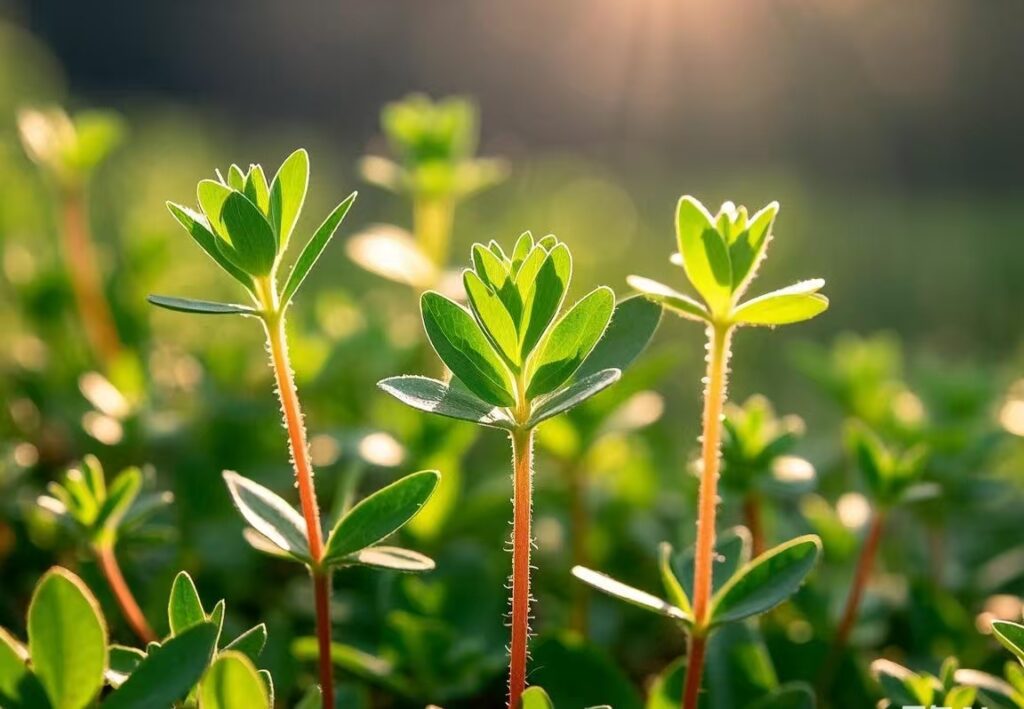
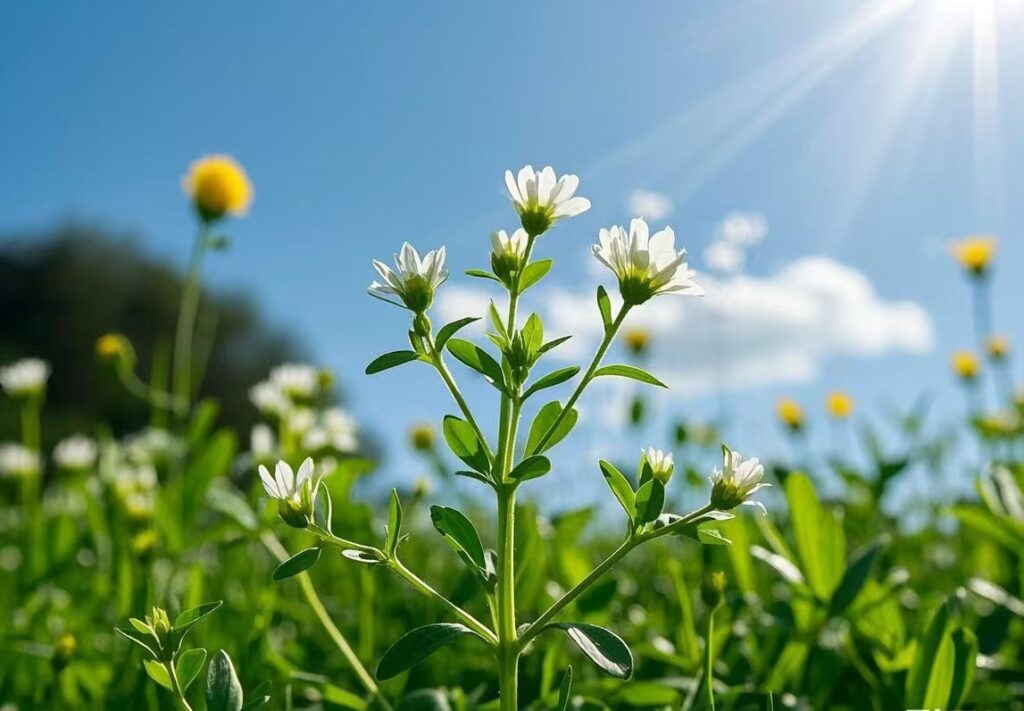
Chickweed is a small, delicate plant with tiny white flowers and bright green leaves. It thrives in cool, moist environments and is often found in gardens, lawns, and wild spaces. Despite its reputation as a weed, chickweed is packed with vitamins, minerals, and antioxidants.
2. Nutritional Profile
Chickweed is a nutritional treasure trove, offering:
- Vitamins: Rich in vitamins A, C, and B-complex.
- Minerals: Contains calcium, magnesium, potassium, and iron.
- Antioxidants: Helps combat free radicals and supports overall health.
3. Health Benefits of Chickweed
- Skin Health: Chickweed is known for its soothing properties, making it a popular remedy for skin irritations, eczema, and rashes.
- Digestive Aid: It can help soothe the digestive tract and relieve constipation or bloating.
- Anti-Inflammatory: Chickweed has natural anti-inflammatory properties, making it useful for reducing joint pain and swelling.
- Weight Loss Support: Some believe chickweed can aid in weight management by acting as a mild appetite suppressant.
4. Culinary Uses
Chickweed isn’t just for medicine—it’s also a delicious and nutritious addition to your meals. Here are some ideas:
- Salads: Add fresh chickweed leaves to salads for a mild, spinach-like flavor.
- Smoothies: Blend chickweed into your morning smoothie for an extra nutrient boost.
- Pesto: Use chickweed as a base for a unique and healthy pesto sauce.
5. How to Harvest and Use Chickweed
- Harvesting: Look for chickweed in clean, pesticide-free areas. Pick the tender leaves and stems.
- Storing: Rinse thoroughly and store in the refrigerator for up to a week.
- Preparing: Use fresh in salads or cook lightly to preserve its nutrients.
6. DIY Chickweed Remedies
- Chickweed Salve: Infuse chickweed in oil and mix with beeswax to create a soothing skin balm.
- Tea: Steep fresh or dried chickweed in hot water for a calming herbal tea.
Conclusion
Chickweed may be small, but its benefits are mighty. From supporting skin health to boosting your nutrition, this unassuming herb deserves a place in your kitchen and medicine cabinet. Next time you spot chickweed in your garden, don’t pull it out—harvest it and discover its magic for yourself!
Have you tried chickweed? Share your experiences and favorite uses in the comments below!