In the world of botany and agriculture, seed maps are emerging as a powerful tool for understanding plant growth, biodiversity, and ecosystem health. These maps provide valuable insights into the distribution of plant species, the genetic diversity of seeds, and the best practices for conservation and cultivation. Whether you’re a farmer, a gardener, or a nature enthusiast, seed maps can help you make informed decisions and contribute to a healthier planet. In this blog, we’ll explore what seed maps are, how they work, and why they matter.
What Are Seed Maps?
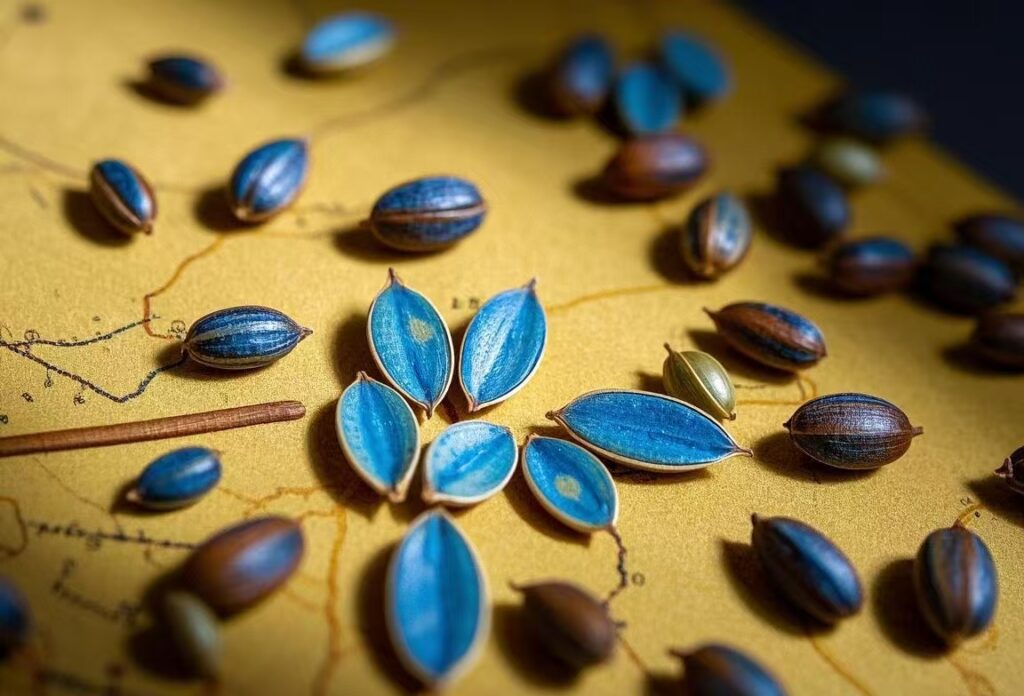
Seed maps are visual representations of data related to the distribution, diversity, and characteristics of seeds. They can show:
- The geographic distribution of plant species.
- The genetic diversity of seeds within a region.
- The best locations for planting specific crops.
- Areas of high biodiversity or conservation priority.
These maps are created using data from seed banks, botanical gardens, research institutions, and citizen science projects.
How Do Seed Maps Work?
- Data Collection
Seed maps rely on vast amounts of data collected from various sources. This includes information about seed types, plant species, geographic locations, and environmental conditions. - Mapping Technology
Advanced mapping software and Geographic Information Systems (GIS) are used to visualize the data. These tools allow researchers to create detailed, interactive maps that can be explored and analyzed. - Analysis and Insights
Seed maps provide insights into patterns of plant distribution, genetic diversity, and ecosystem health. This information can be used to guide conservation efforts, agricultural practices, and research initiatives.
Why Seed Maps Matter
- Conserving Biodiversity
Seed maps help identify areas of high biodiversity and regions at risk of losing plant species. This information is crucial for conservation efforts and protecting endangered plants. - Improving Agriculture
Farmers can use seed maps to determine the best crops to plant in specific regions based on soil type, climate, and other factors. This can lead to higher yields and more sustainable farming practices. - Supporting Research
Scientists use seed maps to study plant genetics, evolution, and adaptation. This research can lead to the development of new crop varieties that are more resilient to climate change and pests. - Empowering Communities
Seed maps can be used by local communities to preserve traditional knowledge about native plants and promote sustainable land use. - Climate Change Adaptation
By understanding how plant species are distributed and how they respond to environmental changes, seed maps can help us adapt to the impacts of climate change.
Applications of Seed Maps
- Seed Banks and Conservation
Seed banks use seed maps to prioritize which species to collect and preserve. This ensures that genetic diversity is maintained for future generations. - Agriculture and Crop Planning
Farmers can use seed maps to select crops that are well-suited to their local environment, reducing the need for chemical inputs and improving sustainability. - Restoration Projects
Seed maps guide the selection of plant species for habitat restoration, ensuring that native plants are reintroduced to their natural environments. - Education and Awareness
Seed maps are a valuable educational tool, helping people understand the importance of plant diversity and conservation.
How to Access Seed Maps
Many organizations and institutions provide access to seed maps through online platforms. Some notable examples include:
- The Global Biodiversity Information Facility (GBIF): Offers data on plant species distribution worldwide.
- The Millennium Seed Bank: Provides information on seed conservation and biodiversity.
- Local Botanical Gardens and Research Institutions: Often share seed maps and related resources with the public.
The Future of Seed Maps
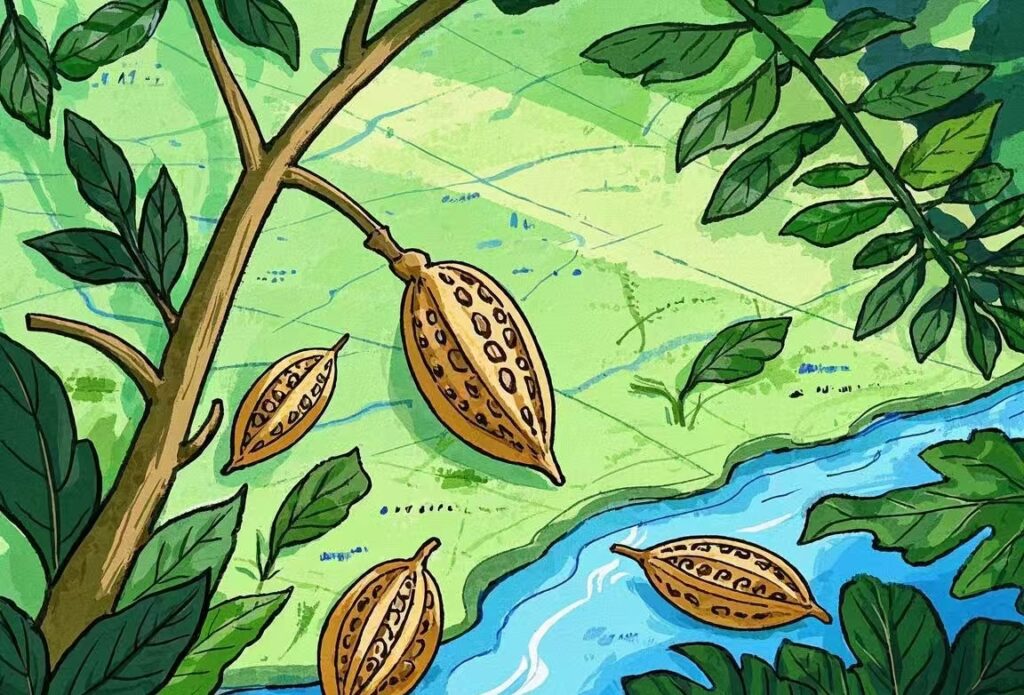
As technology advances, seed maps are becoming more detailed and accessible. Innovations like satellite imagery, machine learning, and citizen science are expanding our ability to collect and analyze seed data. This will enable us to better understand and protect the plant life that sustains our planet.
Final Thoughts
Seed maps are more than just tools for researchers—they’re a window into the intricate world of plant life and biodiversity. By providing insights into seed distribution, genetic diversity, and ecosystem health, they empower us to make smarter decisions about conservation, agriculture, and land use. Whether you’re a farmer, a scientist, or simply someone who cares about the environment, seed maps offer a way to connect with nature and contribute to a more sustainable future.
So, explore the world of seed maps and discover the hidden stories of the seeds that shape our planet. Happy mapping! 🌱🌍