Zhi Zi (梔子), also known as Gardenia, is a widely used plant in traditional Chinese medicine (TCM) with a long history of applications for various health conditions. Its medicinal value, combined with its beautiful appearance, makes it a fascinating subject for study. Gardenia is not only revered for its therapeutic properties but also for its significance in Chinese culture, symbolizing purity, peace, and prosperity.
The Plant Itself
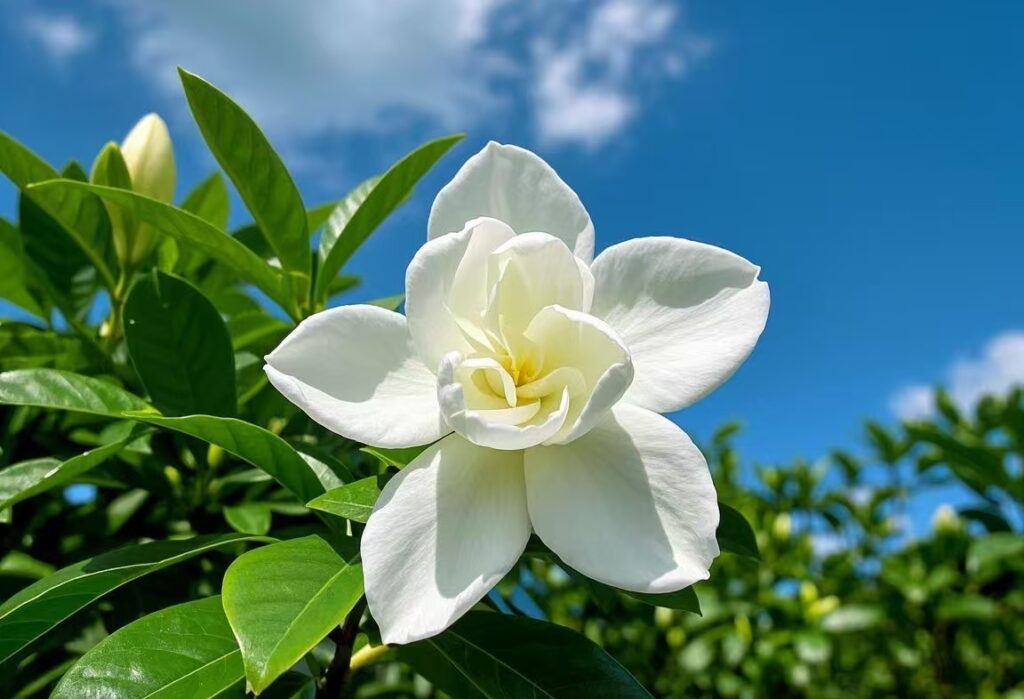
Gardenia plants are known for their fragrant white flowers that bloom in summer. The plant belongs to the Rubiaceae family, with Gardenia jasminoides being the most common species used in traditional medicine. In addition to its aromatic blossoms, Gardenia’s bright green leaves and smooth branches make it a popular ornamental shrub in gardens and parks.
Medicinal Uses of Zhi Zi
In TCM, Zhi Zi is the dried fruit of the Gardenia plant, and it has been used for centuries for its cooling and detoxifying properties. Here are some of the key health benefits attributed to Zhi Zi:
- Clearing Heat and Detoxifying: Zhi Zi is often used to clear excess heat from the body. It’s believed to help with conditions such as fever, inflammation, and skin issues like acne and eczema by promoting detoxification.
- Supporting the Liver: One of Zhi Zi’s most notable uses in TCM is its ability to promote liver health. It is thought to support the liver’s function in detoxifying the body, improving bile secretion, and addressing conditions such as jaundice.
- Regulating the Qi and Blood: Zhi Zi is also used to treat issues related to stagnation of Qi (the body’s vital energy) or blood. It is thought to help in relieving pain, especially in the chest and abdomen, by promoting the flow of Qi and blood.
- Anti-Inflammatory and Antioxidant: Modern research has confirmed some of the plant’s anti-inflammatory and antioxidant effects, suggesting it may help reduce inflammation and oxidative stress, which contribute to various chronic diseases.
Zhi Zi in Modern Science
While Zhi Zi has a rich history in TCM, modern scientific studies are beginning to validate some of its claimed health benefits. Research has demonstrated that the active compounds in Gardenia, such as geniposide, have potential therapeutic effects, including anti-inflammatory, antioxidant, and hepatoprotective properties.
The study of Zhi Zi is expanding, and researchers are exploring its possible applications in areas such as cancer treatment, cardiovascular health, and neuroprotection.
Cultural Significance of Gardenia
In Chinese culture, the Gardenia flower is often associated with positive meanings. It represents purity, good luck, and peace. Its elegant and fragrant white flowers are frequently seen in traditional Chinese art, poetry, and literature. The flower is often gifted during festivals or important ceremonies, symbolizing well wishes for peace and prosperity.
Additionally, Gardenia plays a significant role in the traditional practice of Chinese flower arranging, where it is appreciated not only for its aesthetic qualities but also for its symbolic significance.
Conclusion
Zhi Zi, or Gardenia, is a remarkable plant with a dual role in both traditional medicine and Chinese culture. Whether used for its cooling effects on the body or cherished for its symbolic meanings, this beautiful plant continues to capture the attention of people worldwide. As science uncovers more of its potential health benefits, Gardenia remains a cherished treasure in the realm of herbal medicine.
If you ever come across a Gardenia plant, take a moment to appreciate its beauty, its medicinal virtues, and the deep cultural history that surrounds it.