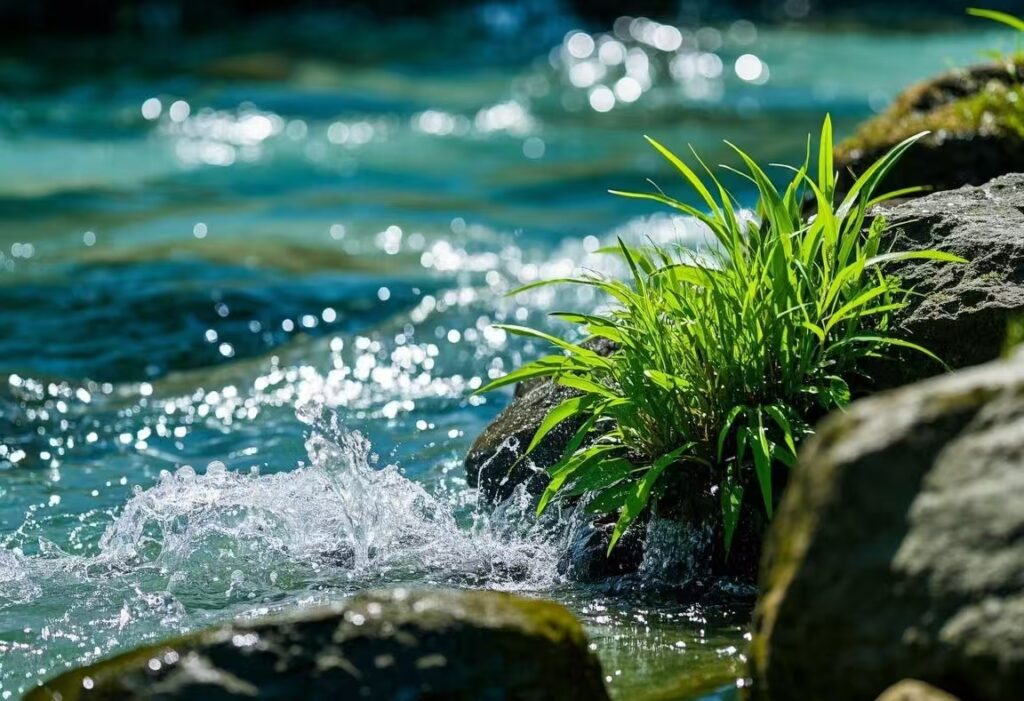
When we think about watersheds, we often imagine streams, rivers, and lakes, but the true health of a watershed depends on much more than just water. Vegetation plays a crucial role in maintaining the balance of a watershed ecosystem. From filtering water to reducing erosion, plants are essential in keeping the water clean and the land stable.
1. Erosion Control
One of the most significant roles vegetation plays in a watershed is preventing soil erosion. The roots of plants anchor the soil in place, reducing the risk of it being washed away by rain or flowing water. Without vegetation, the soil can easily erode, leading to sedimentation in nearby water bodies. This sediment not only harms water quality but can also impact aquatic habitats, blocking sunlight and affecting the growth of plants and the health of fish populations.
2. Water Filtration
Vegetation acts as a natural filter for water that flows through a watershed. Plants absorb and break down pollutants, including excess nutrients like nitrogen and phosphorus, as well as contaminants like pesticides and heavy metals. This process improves water quality, making it safer for both aquatic life and human consumption. Riparian vegetation, or plants along the edges of rivers and streams, is especially effective at filtering water before it enters the body of water.
3. Regulating Water Flow
Vegetation helps regulate the flow of water through a watershed. During heavy rainfall, plants slow down the movement of water, allowing it to be absorbed into the ground rather than running off the surface. This absorption helps recharge groundwater supplies and reduces the risk of flooding. In areas with little vegetation, rainwater flows quickly into rivers and streams, often causing flash floods and damage to infrastructure.
4. Providing Habitat for Wildlife
A healthy watershed supports a variety of wildlife, and vegetation is key to maintaining this biodiversity. Forests, wetlands, and grasslands provide habitats for a wide range of species, from birds and insects to amphibians and mammals. Vegetation offers food, shelter, and breeding grounds for these animals, creating a thriving ecosystem. This biodiversity also contributes to the overall health of the watershed, as different species play various roles in maintaining ecological balance.

5. Enhancing Climate Resilience
Vegetation can help mitigate the impacts of climate change on a watershed. Plants sequester carbon dioxide from the atmosphere, helping to reduce greenhouse gases that contribute to global warming. Additionally, vegetation can help maintain microclimates by providing shade and cooling the surrounding area. In regions affected by droughts or extreme weather, vegetation is critical for maintaining water availability and preventing further environmental stress.
6. Aesthetic and Recreational Benefits
Beyond its environmental functions, vegetation also provides aesthetic and recreational benefits that are often overlooked. A lush, green landscape improves the quality of life for people living within a watershed by offering spaces for outdoor activities like hiking, fishing, and birdwatching. Healthy vegetation along riverbanks or in wetlands can transform an area into a beautiful, peaceful place for both locals and visitors to enjoy.
Conclusion
Vegetation is a vital component of any watershed, performing essential functions that help maintain the balance of the ecosystem. From preventing erosion and improving water quality to supporting wildlife and mitigating climate change, plants are at the heart of a healthy watershed. As we continue to face environmental challenges, preserving and restoring vegetation in our watersheds should be a priority to ensure clean, sustainable water for future generations.