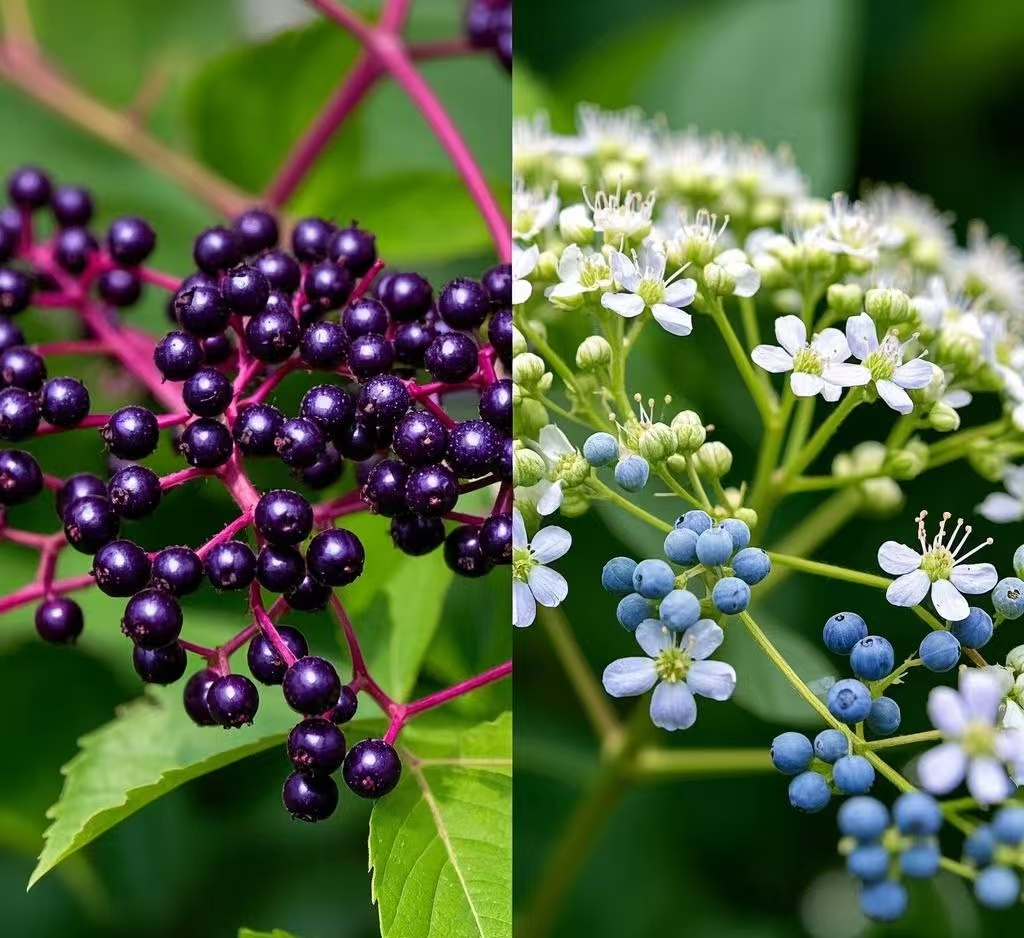
Elderberries are a popular fruit with a long history of use in traditional medicine, culinary dishes, and even wine production. While elderberry plants are found in many parts of the world, two main species of elderberry often come up in conversation: the American elderberry (Sambucus canadensis) and the European or English elderberry (Sambucus nigra). But is there really a difference between the two? The answer is yes—and it goes beyond just the geographical divide.
1. Botanical Differences
The first and most obvious difference between American and English elderberry lies in their botanical characteristics. Both species belong to the same genus, Sambucus, but they have distinct features:
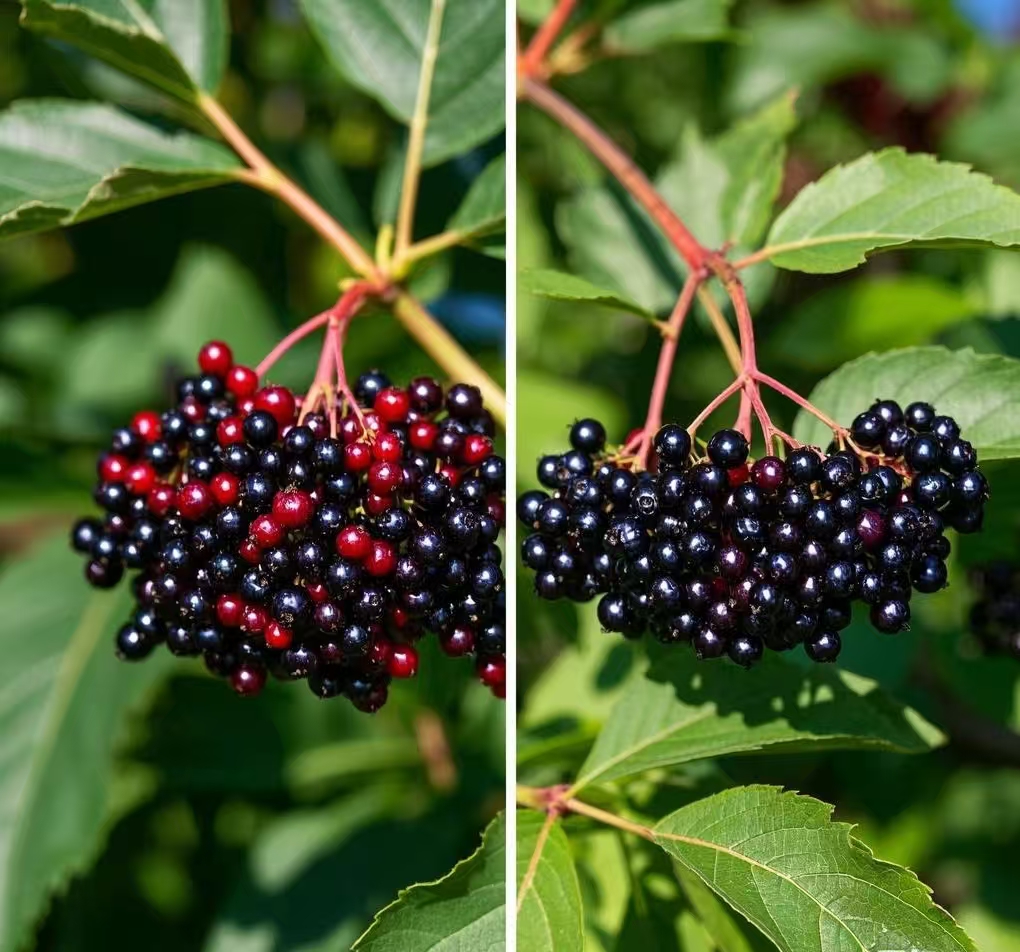
- American Elderberry (Sambucus canadensis): Typically found in North America, the American elderberry grows in a wide range of environments, from wetlands to dry forests. The shrub can grow quite tall, often reaching heights of 6 to 12 feet (1.8 to 3.7 meters), with clusters of white or cream-colored flowers that bloom in late spring or early summer. The berries are dark purple to black when ripe, and they tend to have a slightly more tart flavor compared to their European counterparts.
- European/English Elderberry (Sambucus nigra): This species is native to Europe, but it has spread to other parts of the world as well. The European elderberry is generally more robust, growing up to 30 feet (9 meters) in height in some cases. The flowers of the Sambucus nigra tend to have a pleasant, sweet fragrance and are typically cream-colored. The berries are also dark purple or black when ripe, but the flavor is often described as sweeter and milder compared to the American variety.
2. Culinary Uses and Flavor Profiles
While both types of elderberries are used in cooking, there are subtle differences in flavor and culinary uses:
- American Elderberry: The berries from the American elderberry are often considered more tart, which makes them perfect for making jams, syrups, or even wines. They are also commonly used in medicinal preparations like tinctures, teas, and elderberry extracts. Given their slightly sharper flavor, American elderberries tend to be more commonly cooked or processed before being consumed.
- European/English Elderberry: English elderberries, on the other hand, are often considered sweeter and more versatile in fresh preparations. In European cuisine, they are used in making elderflower fritters, elderflower cordials, and a variety of desserts. The berries are also used to make elderberry wine and syrups, but their sweeter taste can mean less sugar is needed in recipes compared to their American counterparts.
3. Medicinal Benefits
Both American and English elderberries are highly valued for their potential medicinal benefits, especially in boosting immune health. Historically, both types of elderberries have been used in herbal medicine to treat colds, flu, and respiratory issues.
- American Elderberry: In the U.S., elderberry syrup made from the American variety is a popular remedy for colds and flu. Studies have shown that it may help reduce the duration and severity of flu symptoms by boosting the immune system. American elderberries are often used in combination with other herbs like echinacea and ginger for an extra immune boost.
- European/English Elderberry: While the medicinal benefits of European elderberries are similar, the European variety is often regarded as being a bit more potent, thanks to its higher concentration of anthocyanins, the compounds that give elderberries their dark color and are believed to have antioxidant properties. Elderberry extracts and supplements made from Sambucus nigra are often sold in pharmacies and health food stores, especially in Europe.
4. Toxicity and Safety
Both species of elderberry contain toxic compounds in their unripe berries, seeds, and certain parts of the plant, particularly cyanogenic glycosides, which can release cyanide when consumed in large quantities. However, the risk is relatively low when the berries are cooked or properly processed.
- American Elderberry: The American elderberry has a reputation for being less toxic when compared to its European counterpart. However, it’s still crucial to avoid consuming raw berries, seeds, or other plant parts without proper preparation.
- European/English Elderberry: The European elderberry contains higher levels of cyanogenic compounds, so it’s especially important to ensure that berries are cooked properly before consumption. However, when prepared correctly, both species of elderberry are safe and beneficial.
5. Where to Find Them
- American Elderberry: As the name suggests, American elderberries are native to the United States and can be found growing in a variety of habitats, including forests, riverbanks, and rural areas. They are relatively easy to find, especially in the wild, though they are also cultivated in gardens and on farms for commercial production.
- European/English Elderberry: European elderberry is native to Europe but has been introduced to other parts of the world. It is often cultivated in gardens, orchards, and farms due to its popularity in both culinary and medicinal uses. In some places, it may be harder to find growing wild, but it is readily available in many markets, especially in Europe.
6. Which One is Better?
Ultimately, there’s no clear answer to which elderberry is better—it really depends on what you’re looking for. The American elderberry may be more readily available in North America, especially for medicinal uses, while the European elderberry is prized for its sweeter flavor and traditional culinary applications. Both varieties have distinct qualities that make them unique, and whether you’re making elderberry syrup, preparing a wine, or just exploring the world of elderberries for their health benefits, each variety brings its own special touch to the table.
So next time you’re considering which elderberry to use, think about your flavor preferences, where you live, and the specific purpose for your elderberry-based creation. Both Sambucus canadensis and Sambucus nigra offer plenty of benefits, but they bring slightly different characteristics to the table.