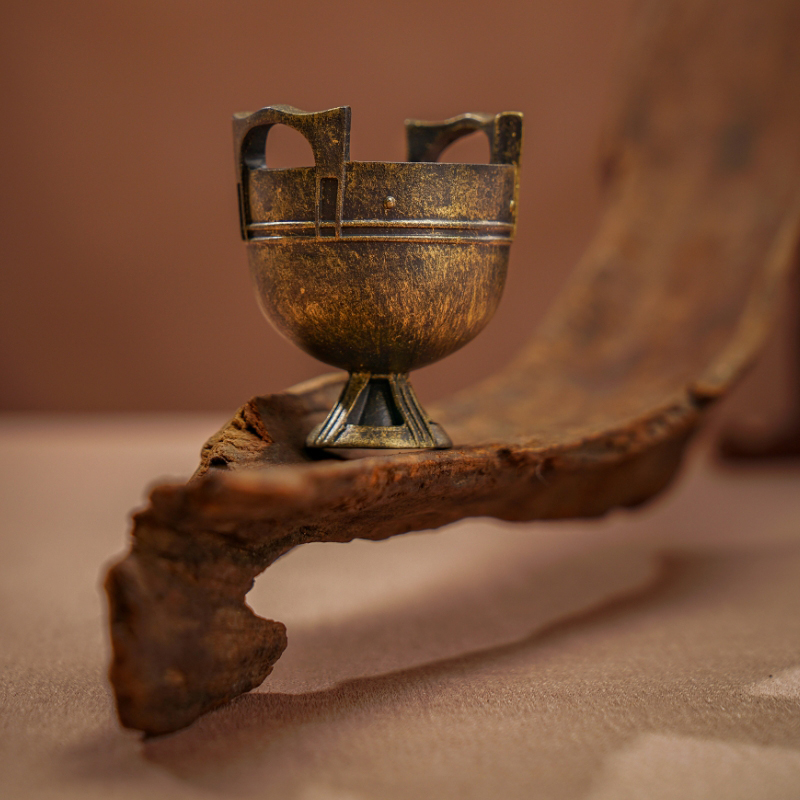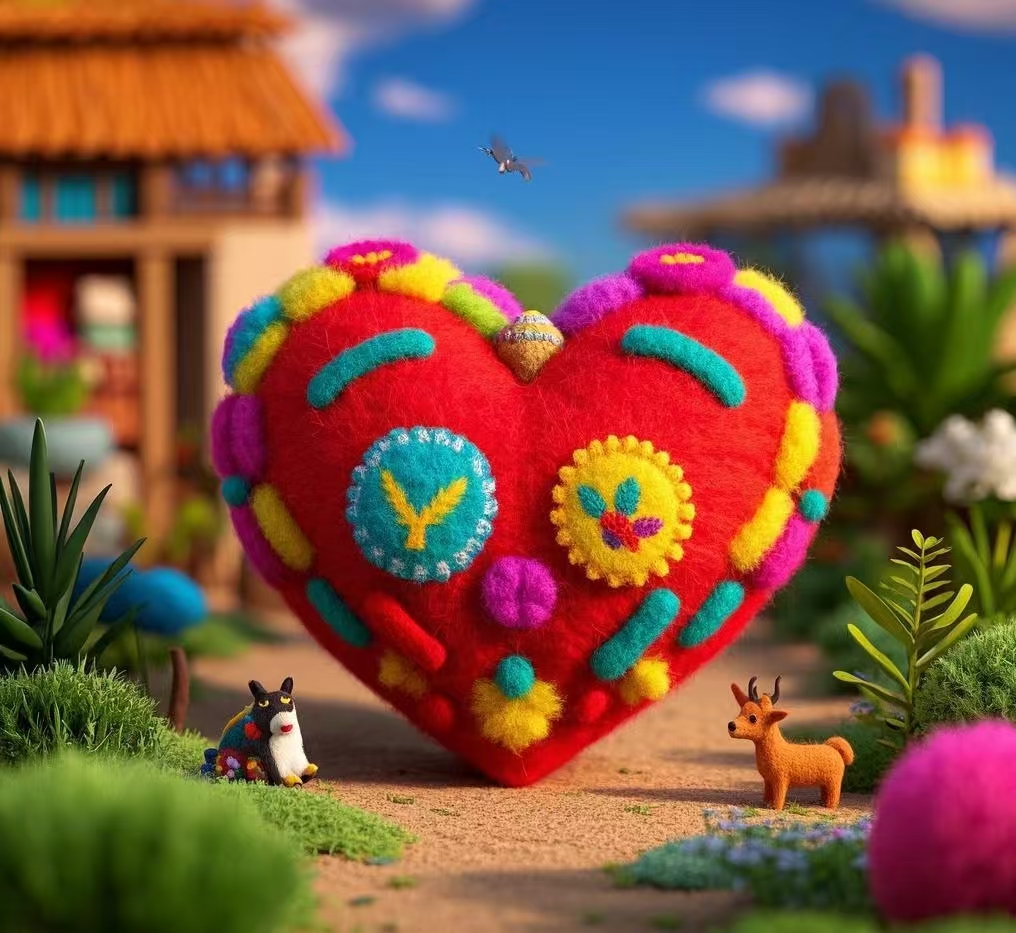
Mexican art is a vibrant and multifaceted world that reflects the country’s rich history, diverse cultures, and dynamic contemporary scene. At its core, Mexican art is an expression of identity, community, and the complex blend of indigenous traditions with Spanish colonial influences. This fusion has led to a distinct style that is globally admired for its color, symbolism, and emotional depth. In this blog, we will explore the heart of Mexican art, from ancient times to the modern era, and understand how it has evolved to become a powerful cultural force.
Ancient Roots: The Birth of Mexican Art
The roots of Mexican art can be traced back thousands of years, with the great civilizations of Mesoamerica laying the groundwork for many of the artistic forms we recognize today. The Olmec, Maya, Zapotec, and Aztec civilizations produced art that was deeply connected to their religious beliefs and rituals. Stone carvings, pottery, murals, and sculptures often depicted gods, cosmic themes, and daily life.
One of the most iconic forms of ancient Mexican art is the Maya’s intricate pottery and mural paintings, which adorned their temples and palaces. The Aztecs, known for their elaborate pyramids, also created stunning stone sculptures, often representing their gods and kings. These works of art were not merely decorative; they were integral to the society’s spiritual and social fabric.
Colonial Influence: A New Chapter in Art History
The arrival of the Spanish in the early 16th century brought about profound changes in Mexican art. Spanish colonizers introduced European techniques and styles, but Mexican artists merged them with their indigenous traditions, creating a unique blend that would define Mexican Baroque art. Churches, cathedrals, and public spaces were adorned with elaborate religious paintings, altarpieces, and sculptures, combining European Christianity with the symbolism of indigenous cultures.
One of the most famous examples of colonial Mexican art is the work of José de Ibarra, a 17th-century painter known for his stunning religious compositions. The Mexican Baroque style, characterized by dramatic colors, intricate details, and emotional intensity, became a hallmark of Mexican religious art during this period.
Mexican Muralism: A Revolutionary Movement
Fast forward to the early 20th century, and Mexican art was once again at the forefront of a cultural revolution. The Mexican Muralist movement, led by artists like Diego Rivera, David Siqueiros, and José Clemente Orozco, emerged as a response to the political and social upheavals of the time. These artists used large-scale murals to convey powerful messages about the struggles of the working class, the indigenous peoples, and the country’s revolutionary history.
Rivera’s murals, such as those in the National Palace in Mexico City, depict the history of Mexico, from ancient civilizations to the modern revolution. His use of vivid colors and symbolism conveyed both pride in Mexican heritage and a call for social justice. The murals of Orozco and Siqueiros followed similar themes, celebrating Mexican identity and pushing for political change through art.
Contemporary Mexican Art: A Global Force
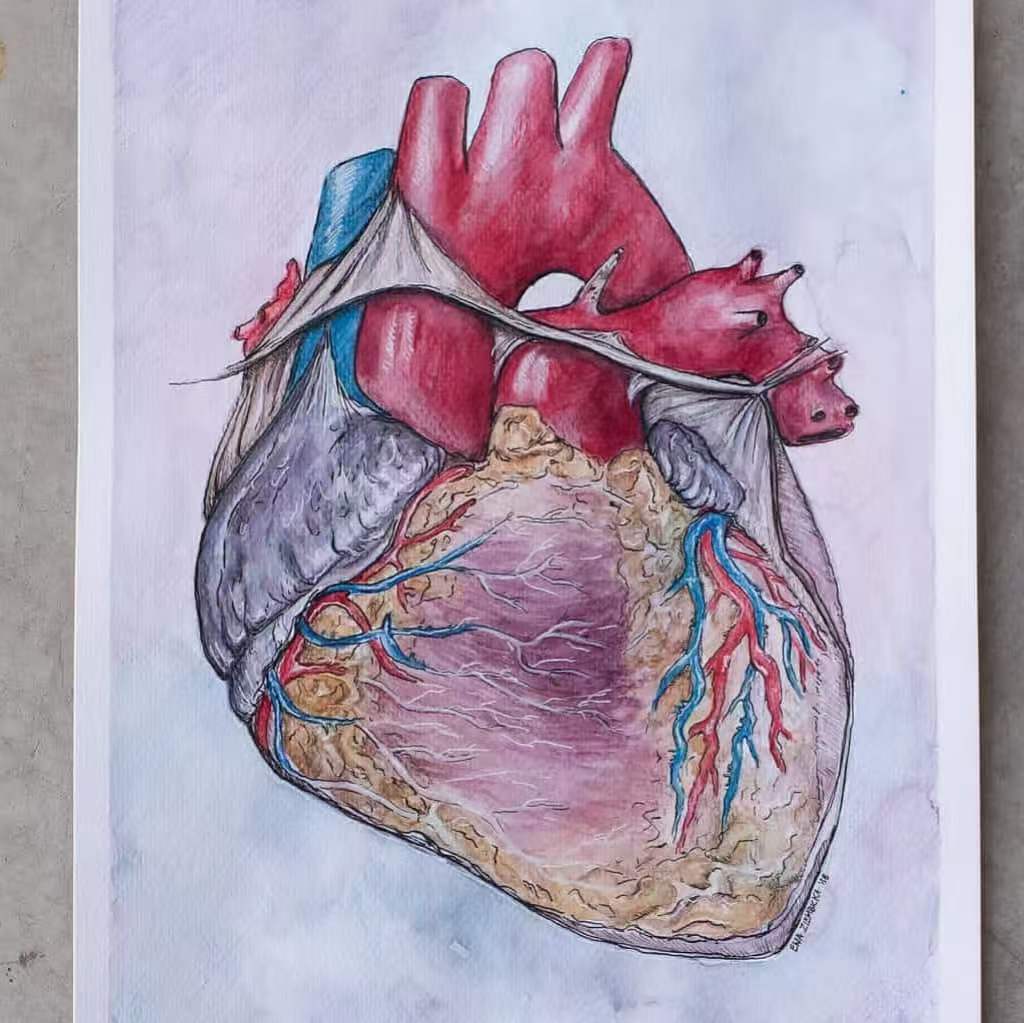
Today, Mexican art continues to evolve, blending traditional influences with cutting-edge contemporary styles. Mexican artists like Frida Kahlo, whose self-portraits explore themes of identity, pain, and resilience, and David Alfaro Siqueiros, who influenced the direction of modern political art, remain icons of global art history.
Modern Mexican art is also thriving in the realm of pop culture, with artists like Gabriel Orozco and Julio Galán pushing boundaries and experimenting with new materials and mediums. Mexican street art, particularly in cities like Mexico City, has become an influential force, using the urban landscape to tell stories and raise awareness about social issues.
The Heart of Mexican Art: Color, Culture, and Creativity
What truly sets Mexican art apart is its vibrant use of color and its deep connection to the cultural fabric of the country. Mexican art is a celebration of life, from the joyful colors of Día de los Muertos (Day of the Dead) celebrations to the intricate designs of traditional textiles and folk art.
The heart of Mexican art lies in its ability to reflect the diversity and complexity of Mexican culture. It is an art form that is constantly evolving, yet remains rooted in its history and traditions. Whether through ancient sculptures, colonial paintings, revolutionary murals, or contemporary installations, Mexican art offers a window into the soul of a nation that has weathered many storms, yet continues to thrive through its creativity and expression.
In conclusion, Mexican art is not just a collection of beautiful objects; it is a powerful storytelling tool, a way to communicate ideas, emotions, and struggles across generations. From the ancient civilizations of Mesoamerica to the revolutionary murals of the 20th century and the dynamic contemporary art scene, the heart of Mexican art beats with a passion for cultural identity, social justice, and the power of human expression. So, next time you encounter a piece of Mexican art, take a moment to appreciate the rich history and the vibrant culture it represents.