When it comes to iconic trees, the sycamore stands tall—both literally and figuratively. Known for its striking appearance and significant environmental contributions, the sycamore has captured the hearts of nature lovers and historians alike. Let’s dive into the world of sycamores, exploring their fascinating characteristics, history, and benefits.
What is a Sycamore Tree?
Sycamore trees are large, deciduous trees that belong to the genus Platanus, with the most common species being the American sycamore (Platanus occidentalis). These trees can grow up to 100 feet (30 meters) tall, making them one of the largest trees native to North America. With their broad, spreading canopies and distinctive bark that peels away in patches, revealing a mix of creamy white, green, and brown colors, sycamores are easy to identify in any landscape.
The Beauty of Sycamores
One of the most captivating features of sycamores is their bark. The tree sheds its bark as it grows, leaving behind a mosaic of colors that gives it a patchy, unique appearance. This distinctive bark, combined with the tree’s large, hand-shaped leaves, makes the sycamore an impressive sight during the warmer months.
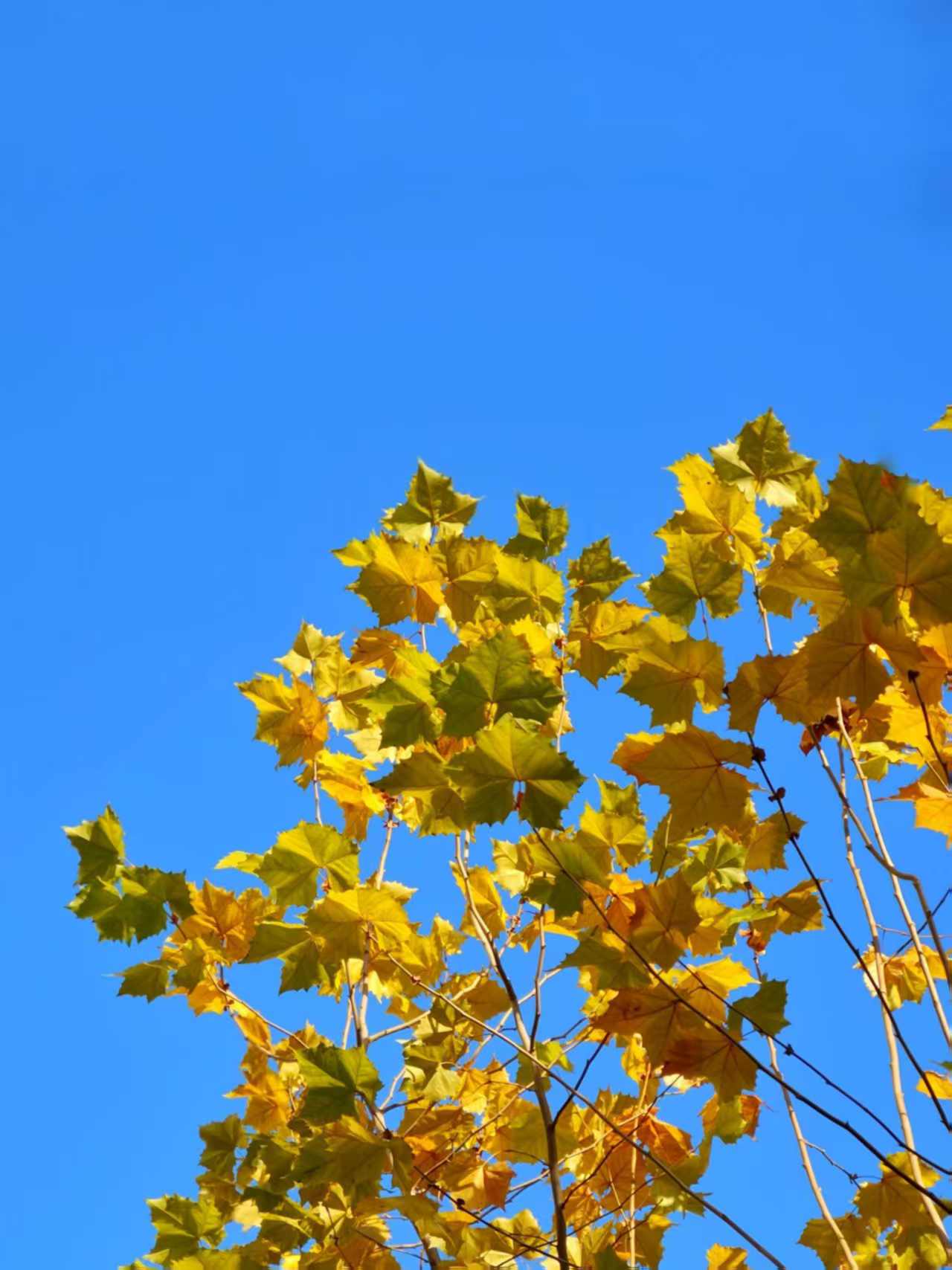
In autumn, sycamores provide a beautiful display of color, as their leaves turn yellow before they fall. These trees also bear round, spiky seed balls that hang from their branches in the winter, adding a touch of texture to the bare landscape.
Sycamores and Their Role in History

Sycamores have long played a role in human history. In ancient Egypt, the sycamore tree was a symbol of protection and vitality, and it was often associated with the goddess Hathor. The tree’s shade was sought after in the sweltering heat of the Egyptian desert, providing refuge and comfort to the people. In fact, sycamores were so revered that they were often planted in sacred spaces.
In more recent history, the sycamore has played a role in American culture. Early settlers used the wood of the sycamore tree for making furniture, cabinets, and even boats due to its toughness and durability. Today, sycamores are still widely admired for their aesthetic value and continue to be planted in parks and streets across the world.
The Environmental Benefits of Sycamores
Sycamores are more than just pretty trees. They play a crucial role in maintaining healthy ecosystems. Their large, broad leaves create a thick canopy that provides shade and reduces the urban heat island effect, making them ideal for planting in cities. This shade helps lower the temperatures around buildings, reducing the need for air conditioning in summer and saving energy.
Additionally, sycamores are excellent at improving air quality. Like all trees, they absorb carbon dioxide and release oxygen, but they also filter pollutants from the air. Their deep root systems help prevent soil erosion, and their fallen leaves contribute to the enrichment of soil, promoting biodiversity.
Sycamores and Wildlife
Sycamores provide a habitat for a wide variety of wildlife. Birds, squirrels, and insects often make their homes in the tree’s branches, and its seeds attract various species of birds, including woodpeckers and songbirds. The bark of the sycamore, with its peeling layers, also provides a home for insects, which in turn support the food web of the surrounding area.

Planting and Caring for Sycamores
If you’re considering planting a sycamore, it’s important to keep a few things in mind. First, sycamores prefer to grow near water, so they thrive in moist, well-drained soil. They also need plenty of space to spread their roots and branches, making them suitable for larger yards or parks. Given their size, they may not be ideal for smaller spaces, but if you have room, a sycamore can provide decades of beauty and shade.
Though sycamores are relatively low-maintenance, they do need occasional care. Regular pruning will help maintain their shape, and ensuring that they’re not exposed to pollutants or pests can keep them healthy.
Conclusion
The sycamore tree is more than just a stunning addition to the landscape; it’s a tree that brings history, beauty, and environmental benefits to the table. Whether you’re enjoying its shade on a hot summer day or marveling at its striking bark in winter, the sycamore is a tree that has earned its place in our hearts and our ecosystems. So, next time you encounter one of these magnificent trees, take a moment to appreciate its majesty and all that it provides.