Among the vast variety of trees that populate North America, the Quercus alba, commonly known as the White Oak, stands out as a symbol of strength, longevity, and natural beauty. With its impressive size, unique bark, and significant ecological and cultural importance, the White Oak is a tree that commands respect. Let’s take a deeper look into the world of Quercus alba and explore why it has earned its place as one of the most revered native trees in North America.
1. What is Quercus Alba?
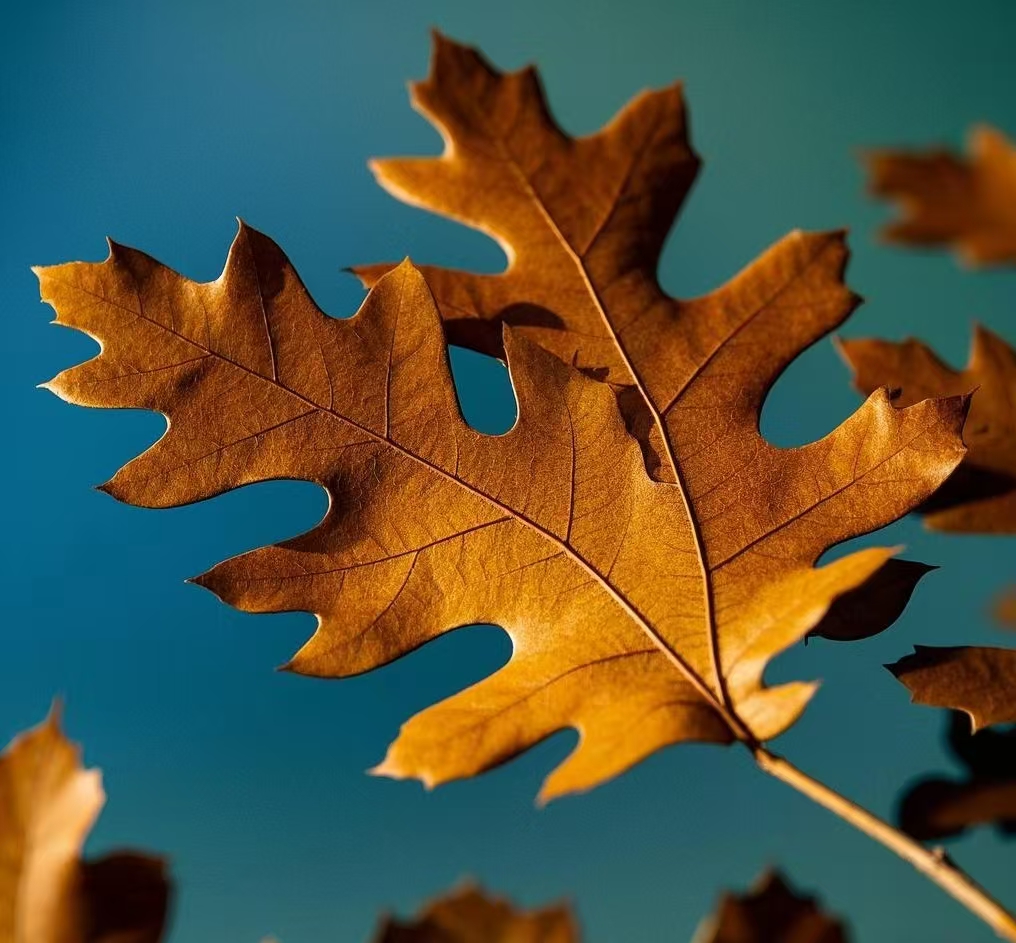
Quercus alba, or the White Oak, is a species of oak tree native to eastern and central North America. Known for its impressive height and wide, spreading canopy, the White Oak can live for several centuries, reaching heights of 80 to 100 feet and sometimes even taller. This tree belongs to the beech family (Fagaceae) and is easily recognized by its deeply lobed leaves, which turn vibrant red or purple in the fall.
The White Oak is famous for its strong, dense wood, which has been highly prized for centuries. It is the national tree of the United States and has played a key role in the country’s history, from the building of ships to its use in furniture and flooring.
2. The Ecological Importance of White Oaks
White Oaks are much more than just beautiful trees—they play a vital role in maintaining the health and balance of forest ecosystems. Their broad canopy provides shelter and food for a variety of wildlife, from birds to mammals. The acorns produced by White Oaks are particularly valuable as a food source, especially during the winter months when other food is scarce.
- Wildlife Habitat: White Oaks provide nesting sites for birds like woodpeckers, owls, and warblers. Their branches also offer shelter for squirrels, raccoons, and other small mammals. The trees’ dense foliage creates a canopy that gives shelter to many creatures, offering a safe environment to escape predators and weather.
- Food Source: The acorns produced by the White Oak are high in nutrition and are a favorite food of many animals, including deer, squirrels, and wild turkeys. These acorns fall in the autumn, providing an essential food source for wildlife to help them survive through the colder months.
- Ecosystem Balance: As a keystone species, the White Oak plays an essential role in the biodiversity of temperate forests. It fosters a balanced ecosystem by supporting various organisms and contributing to the structural integrity of the forest.
3. The Beauty of Quercus Alba
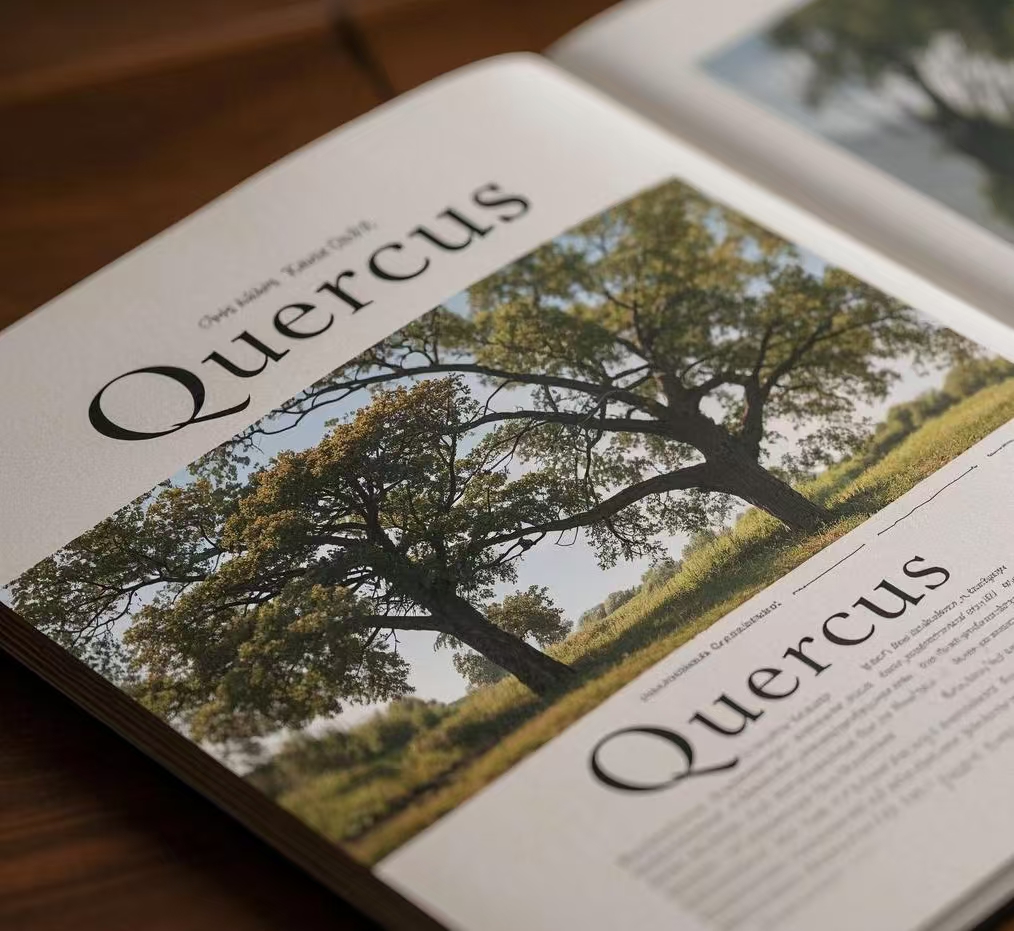
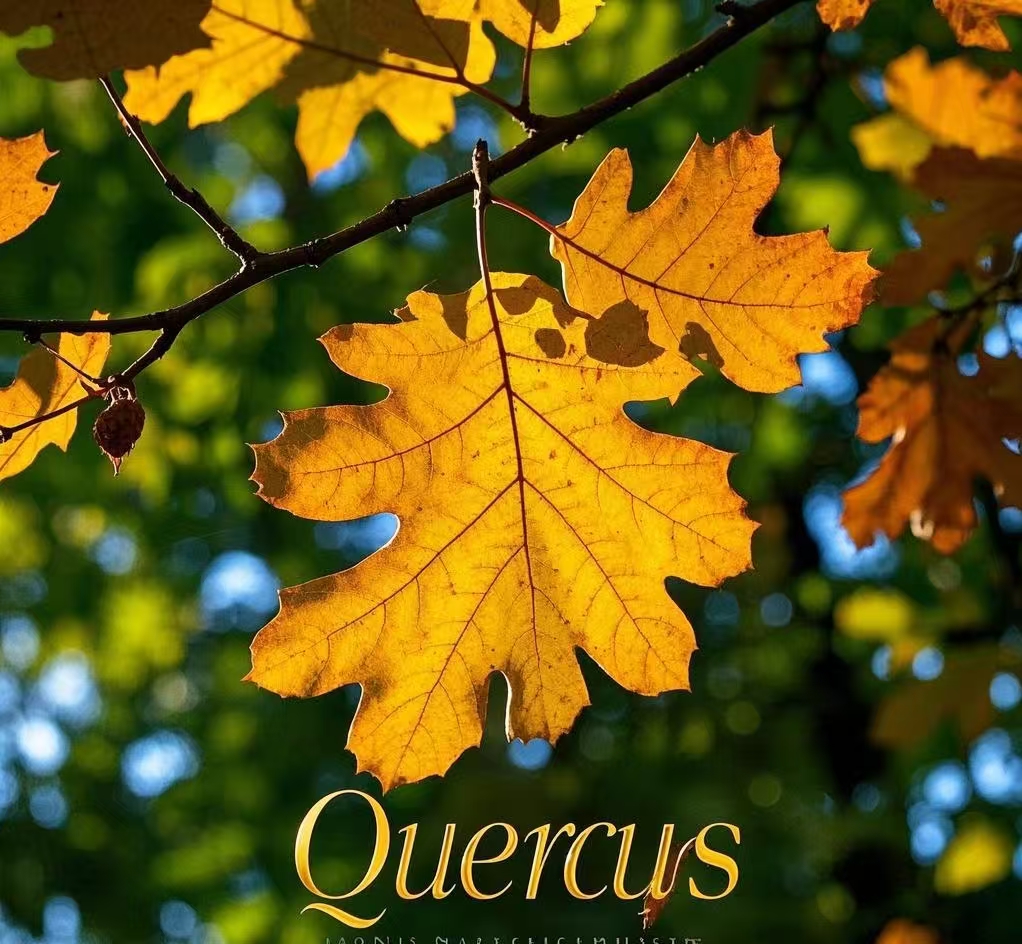
A White Oak is a sight to behold. Its leaves are typically green in the summer, but when autumn arrives, they turn an array of stunning colors, ranging from red to purple and gold. The tree’s bark is another distinctive feature, light grayish-brown and deeply ridged, which becomes more textured and scaly as the tree ages.
- Leaves: The leaves of the White Oak are lobed, with rounded tips, and can be up to 8 inches long. Their vibrant autumn color makes this tree a beautiful focal point in fall landscapes.
- Acorns: The acorns of the White Oak are large, about 1 inch long, and have a shallow cap. They ripen in the fall and are highly nutritious, providing a valuable food source for wildlife.
- Bark: The bark of the White Oak is a distinctive light grayish-brown with shallow ridges, giving it a rough texture. This characteristic bark helps protect the tree against the elements and contributes to its long lifespan.
4. The Cultural and Historical Significance of the White Oak
The White Oak has been integral to American culture and history. It has been used for various purposes throughout time, from building ships to creating durable furniture. The tree’s wood is hard, strong, and resistant to decay, which makes it ideal for construction.
- Historical Uses: During the colonial period, White Oak was used extensively in shipbuilding, particularly for the construction of naval ships. The wood’s durability and strength made it ideal for creating the hulls of ships that needed to endure the harsh conditions of the sea.
- Furniture and Flooring: White Oak is still widely used in furniture making and for flooring due to its strength and attractive grain pattern. It is also a popular wood for crafting barrels, particularly for aging wines and spirits, as the wood’s characteristics help enhance the flavor profile of beverages.
- Cultural Symbolism: The White Oak is a symbol of strength, resilience, and longevity. It is often associated with stability and endurance, qualities that have made it a significant tree in the cultural traditions of various communities.
5. Conservation and Planting
Despite its long lifespan, the White Oak faces threats from habitat loss, disease, and climate change. Conservation efforts are important to ensure the continued health of this iconic tree species. Planting White Oaks in suitable areas, protecting them from disease, and promoting forest restoration are all vital steps in preserving these majestic trees.
If you’re interested in adding a White Oak to your yard or landscape, it’s essential to consider the tree’s size and needs. These trees thrive in well-drained, fertile soil and prefer full sun. Given their large size, they are best suited for spacious yards or areas where they have room to grow.
6. Conclusion: Embrace the Majesty of Quercus Alba
The Quercus alba, or White Oak, is more than just a tree—it’s a symbol of natural beauty, ecological importance, and historical significance. Its long lifespan, impressive size, and rich contribution to the environment make it a cherished part of North America’s natural heritage. Whether you’re enjoying its beauty in the fall, benefiting from its acorns, or appreciating its wood in furniture, the White Oak continues to serve as a testament to nature’s resilience and strength.
As we continue to appreciate the natural world around us, the White Oak reminds us of the importance of conserving and celebrating the trees that sustain us and our ecosystems. Let’s continue to admire, protect, and plant these majestic trees for future generations to enjoy.