
In the digital age, the tools we use to create, learn, and collaborate are constantly evolving. One such platform that has become indispensable in education and creativity is Canvas. Whether you’re an artist using it as a medium for digital creations or a student navigating its features for coursework, Canvas offers a versatile and user-friendly experience. Let’s explore why this platform has become so popular and how it’s changing the way we work and learn.
1. What is Canvas?
Canvas can refer to a variety of things, but it is most commonly recognized in two key contexts: the digital platform for education and the physical medium used by artists.
- Canvas as an Educational Tool: Canvas by Instructure is a robust Learning Management System (LMS) used by schools, colleges, and universities around the world. It provides a centralized place for students and teachers to collaborate, share resources, and track progress. Features like assignments, quizzes, discussions, and grade tracking make it an essential tool for modern education.
- Canvas as a Medium for Art: In the world of traditional and digital art, a canvas is the foundational material for painting and creating artworks. Artists have long used the canvas to express their creativity, whether they are painting with oils or digital media. In the digital era, tools like Adobe Photoshop and Procreate allow artists to work on a “digital canvas,” bringing traditional artistry to life with new possibilities.
2. Canvas in Education: Revolutionizing the Learning Experience
Canvas has transformed education by providing a digital space for teachers and students to interact. Here are some of the key ways Canvas has made an impact:
- Centralized Learning Hub: One of the greatest advantages of Canvas is its role as a centralized hub for all course materials. Students can access syllabi, assignments, and discussion boards in one place. This structure helps eliminate the clutter of multiple tools and websites, allowing for a streamlined learning experience.
- Interactive Learning: With Canvas, learning becomes more interactive. Teachers can create discussion threads that encourage student engagement, and quizzes can be automatically graded, saving valuable time. Students can submit assignments, track their progress, and receive instant feedback from instructors.
- Flexible Learning Environment: Canvas supports various types of media, including text, video, and audio. This flexibility makes it a great platform for students with diverse learning preferences. Whether a student learns best by watching a video, reading a document, or participating in discussions, Canvas accommodates different styles.
3. Canvas in Art: The Digital Canvas for Creators
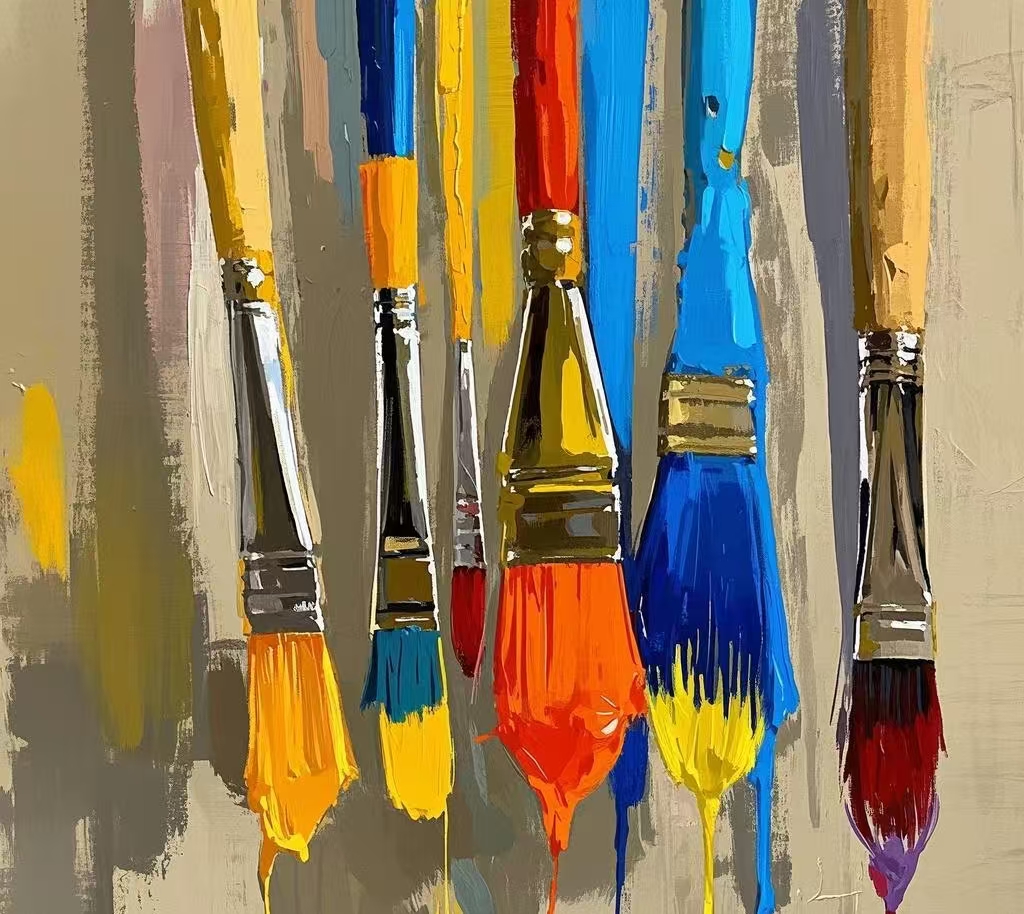
Artists of all kinds have found the “canvas” to be more than just a physical surface; it’s a space for limitless creativity. Whether traditional or digital, a canvas serves as the foundation for many masterpieces. In digital art, a canvas is a blank digital space where artists can create, refine, and explore their ideas.
- Digital Canvas Tools: Programs like Photoshop, Illustrator, and Procreate give artists the ability to create on a virtual canvas. These platforms allow artists to use a variety of brushes, colors, and effects to mimic traditional painting styles or explore entirely new approaches to art.
- Accessibility for All: Digital canvases have democratized art by allowing anyone with a device to create. You no longer need a physical studio or an expensive set of paints. Apps and online platforms make it easier for budding artists to explore their creativity without limitations.
- Interactive Art: The digital canvas also opens doors for interactive art. Digital artists can create pieces that respond to viewers, incorporating dynamic elements like motion, sound, and user interaction. This fusion of art and technology has paved the way for exciting new forms of creative expression.
4. Why Canvas is Here to Stay
Whether you’re a student, an educator, or an artist, Canvas offers something valuable. Its adaptability and ease of use make it indispensable in both the academic world and creative industries.
- For Educators: Canvas simplifies course management, grading, and communication with students. Its rich feature set makes it a go-to for universities worldwide.
- For Students: Canvas provides students with the tools to track their progress, interact with peers, and stay organized—all in one platform.
- For Artists: The digital canvas has expanded the scope of art, offering new tools and creative possibilities. With the right tools, artists can create masterpieces from anywhere in the world.

5. Conclusion: Embracing Creativity and Learning
Canvas, whether as an educational platform or a digital medium for art, empowers users by offering a flexible, creative space to explore, learn, and grow. Its accessibility, functionality, and endless possibilities make it a tool for both academic achievement and creative expression. As technology continues to evolve, platforms like Canvas will undoubtedly keep transforming how we interact with learning and the arts, helping individuals from all walks of life to reach their full potential.
So, whether you’re drafting an essay, creating an artwork, or managing a classroom, Canvas is a tool that’s shaping the future of how we work, learn, and create.