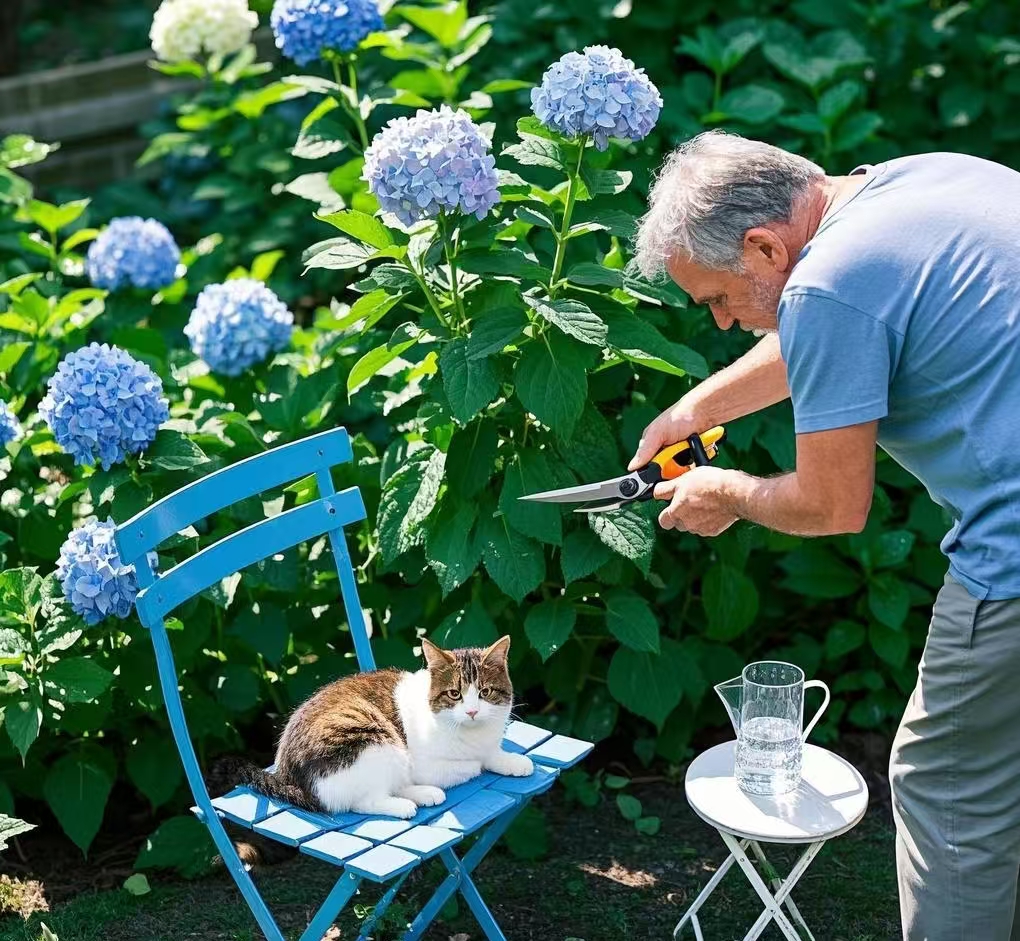
Hydrangeas are beloved for their large, colorful blooms, which brighten up gardens and homes alike. However, to keep these plants thriving and ensure they produce beautiful flowers, proper care and pruning are essential. Knowing the best time to prune hydrangeas can make all the difference in their growth and flower production. In this blog, we will explore the optimal time to prune hydrangeas and the methods that will help them thrive.
Understanding Hydrangea Types
Before we delve into the best time to prune, it’s important to note that not all hydrangeas are the same. There are several species, and the pruning time depends on the variety. The three most common types are:
- Bigleaf Hydrangeas (Hydrangea macrophylla) – Known for their large, round blooms, these are the most popular hydrangeas in gardens. They often bloom on old wood, meaning the previous year’s growth.
- Panicle Hydrangeas (Hydrangea paniculata) – These hydrangeas produce flowers on new wood, or the current season’s growth.
- Smooth Hydrangeas (Hydrangea arborescens) – Like panicle hydrangeas, these also bloom on new wood.
Understanding which type you have will guide your pruning decisions.
Best Time to Prune Hydrangeas
- Bigleaf Hydrangeas (Hydrangea macrophylla)
Bigleaf hydrangeas are the most sensitive when it comes to pruning. Since they bloom on old wood, it’s important not to prune them too early, as you might remove the buds that will bloom later in the season. The best time to prune bigleaf hydrangeas is immediately after flowering (typically late summer or early fall).
Avoid heavy pruning in late fall or winter because new buds for the next season might be cut off by frost, affecting the blooming process. If you need to remove dead or damaged wood, it’s better to do so right after the blooming period ends to give the plant time to develop healthy buds for the next cycle.
- Panicle Hydrangeas (Hydrangea paniculata)
Panicle hydrangeas bloom on new wood, so they are more forgiving when it comes to pruning. The best time to prune them is in late winter or early spring before new growth begins. Pruning them in early spring will encourage strong new shoots that will result in larger blooms.
For a more controlled shape, you can prune back the stems to about 6-12 inches from the ground. This will stimulate new growth and more vigorous blooms, but remember, the more you cut, the fewer flowers you’ll have, so consider how you want your hydrangea to look.
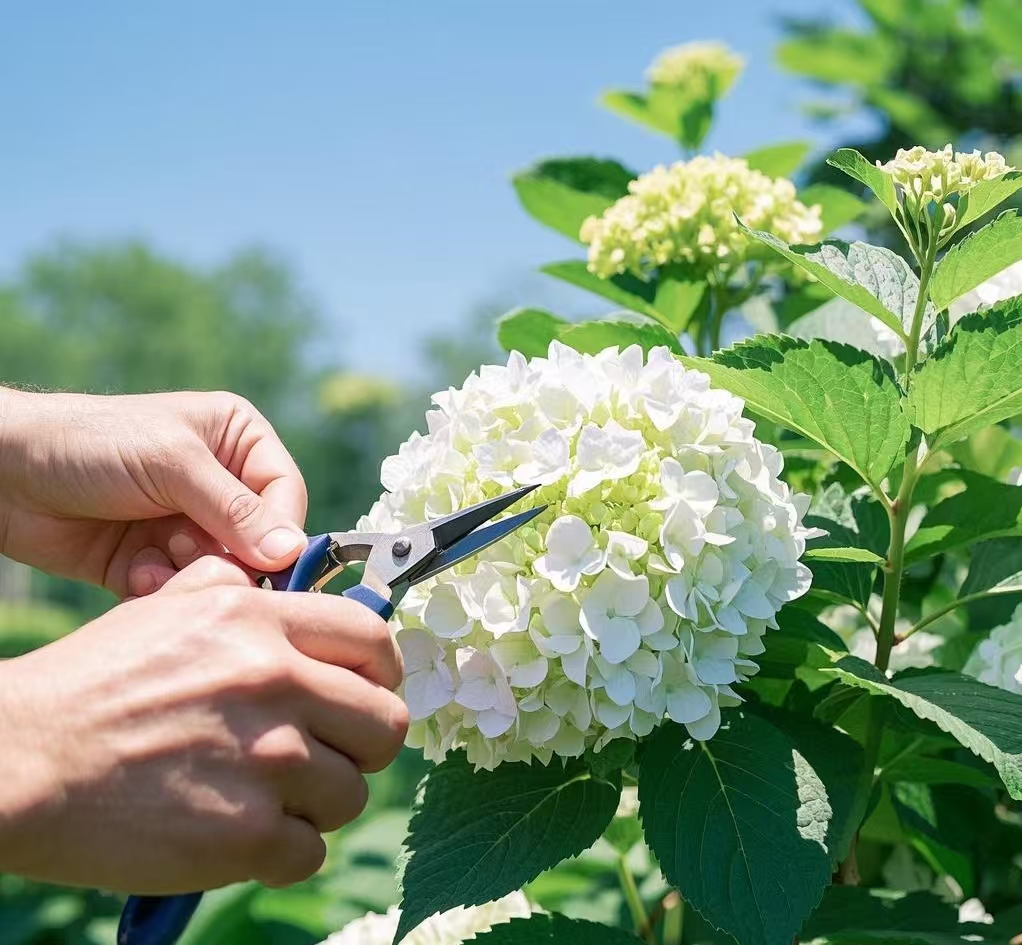
- Smooth Hydrangeas (Hydrangea arborescens)
Like panicle hydrangeas, smooth hydrangeas bloom on new wood, so the best time to prune them is in early spring, before the new growth starts. Cutting them back in early spring will help promote healthy, bushy growth and larger flower clusters. If you want to control the size or shape of the plant, prune it back to 12-18 inches from the ground. This type of pruning also encourages the plant to produce strong stems that will hold the flowers up well during blooming season.
Pruning Tips for All Hydrangea Types
- Cutting Techniques: When pruning, always use sharp, clean tools to avoid damaging the plant. Make clean cuts at a 45-degree angle just above a leaf node to promote healthy regrowth.
- Remove Dead or Damaged Wood: Regularly check your hydrangeas for dead or damaged branches, especially after winter. This type of pruning can be done at any time of the year as needed, and it won’t harm the plant’s blooming cycle.
- Avoid Over-Pruning: Be careful not to prune too much, as this can reduce the plant’s bloom potential. Hydrangeas need a balanced mix of old and new wood to produce flowers.
Why Timing Matters
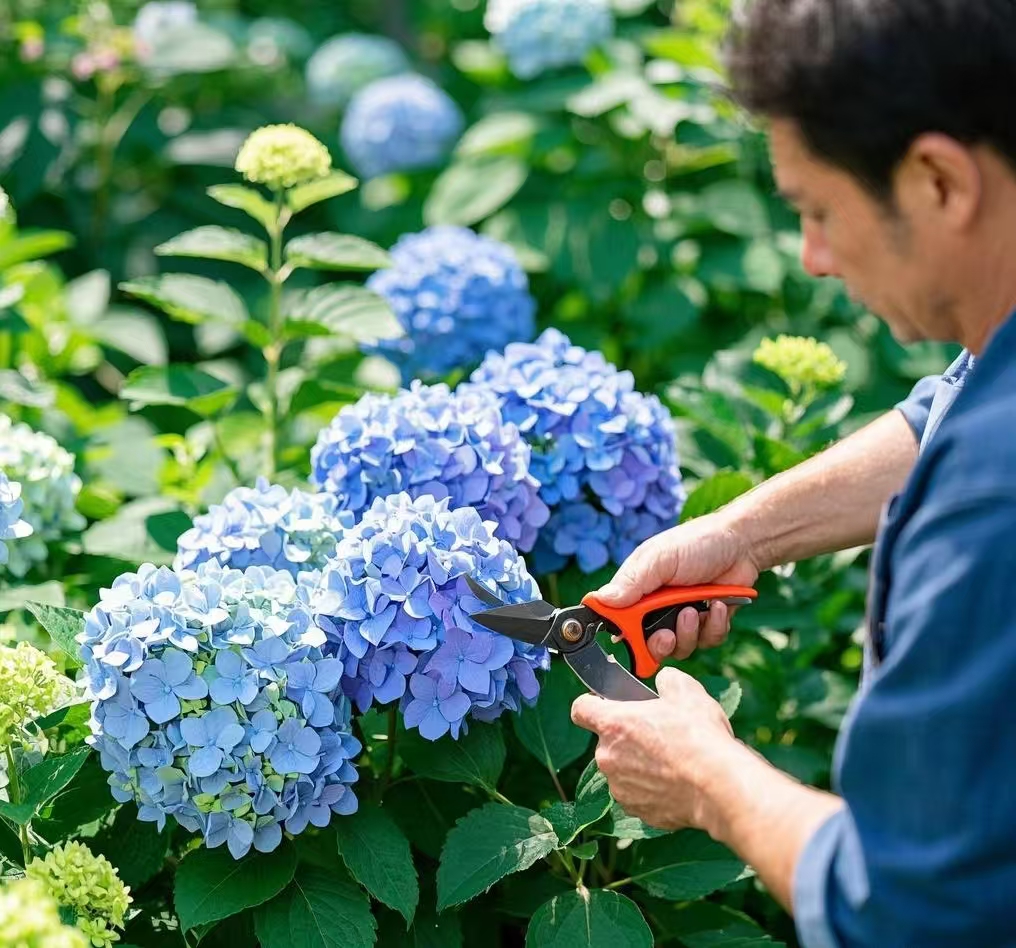
Pruning at the wrong time can negatively affect the health of your hydrangea, especially when it comes to its blooming cycle. Pruning too early or too late can remove vital buds, limit flower production, or stress the plant. Timing your pruning correctly, depending on the variety of hydrangea, ensures that your plant has enough time to develop healthy new growth or preserve old growth for blooming.
Conclusion
Pruning hydrangeas is an essential task for keeping these plants healthy and vibrant, but knowing when to do it is key. By following the general guidelines for each type of hydrangea and paying attention to the timing, you’ll encourage lush, beautiful blooms each year. Remember, while it may seem like a daunting task, pruning doesn’t have to be complicated—just make sure to choose the right time for your specific hydrangea variety!