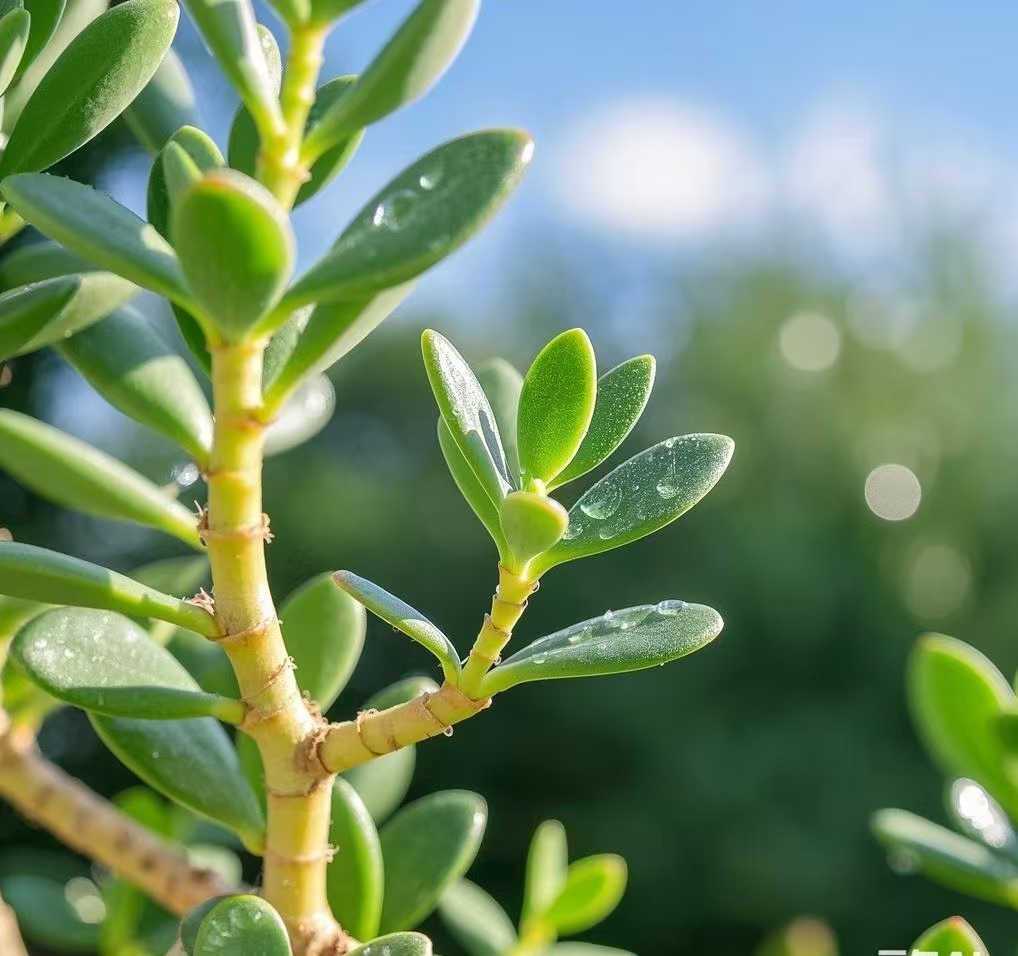
Jade plants, or Crassula ovata, are among the most popular indoor plants for their beautiful, thick, fleshy leaves and their ability to thrive with minimal attention. These hardy succulents, often referred to as “money trees” or “friendship trees,” are believed to bring good luck and prosperity, making them a perfect addition to any home or office. While they are relatively low-maintenance, jade plants do need proper care to flourish. Here’s everything you need to know about keeping your jade plant happy and healthy!
1. Choosing the Right Location
Jade plants love bright light, so the best place for your plant is near a sunny window. A south-facing window is ideal, as it will provide the maximum amount of light. If your jade plant isn’t getting enough sunlight, its growth will slow down, and it may become leggy or spindly as it reaches for more light.
However, while they enjoy sunlight, it’s important to avoid too much direct, harsh sunlight, as this can cause the leaves to burn. If you live in a very hot climate, consider placing the plant where it gets indirect sunlight to protect it from sunburn.
2. Watering: Less is More
One of the most important aspects of caring for a jade plant is ensuring it doesn’t get overwatered. As a succulent, the jade plant stores water in its thick leaves and can survive for a while without frequent watering. Overwatering is a common mistake and can lead to root rot.
The general rule of thumb is to allow the top 1-2 inches of soil to dry out before watering again. In the warmer months, you may need to water every 1-2 weeks, while in the cooler months, you can reduce the watering to once a month or so. Always check the soil moisture before adding water, and make sure the pot has good drainage to prevent water from sitting at the bottom.
3. Soil Requirements
Jade plants thrive in well-draining soil. You can use a cactus or succulent potting mix, or make your own by adding sand or perlite to regular potting soil. The goal is to have soil that drains quickly to avoid water retention around the roots, which could lead to rot.
When repotting, choose a pot with drainage holes to allow excess water to escape, and always use fresh potting mix for optimal plant health.
4. Temperature and Humidity
Jade plants prefer moderate temperatures between 65°F (18°C) and 75°F (24°C) during the day and slightly cooler temperatures at night. Avoid placing your plant in an area with drafts, such as near air conditioning or heating vents, as temperature fluctuations can stress the plant.
Jade plants don’t require high humidity levels, making them perfect for dry indoor environments. If you live in a particularly humid area, you don’t need to worry about extra humidity, but it’s still a good idea to avoid overwatering.
5. Fertilizing Your Jade Plant
While jade plants don’t need frequent fertilizing, feeding them a balanced, diluted fertilizer can help promote healthy growth, especially during their growing season in spring and summer. Use a half-strength liquid fertilizer designed for succulents, and apply it once every 4-6 weeks. Avoid fertilizing in the fall and winter, as the plant goes into a resting phase during this time.
6. Pruning and Shaping
Jade plants are known for their attractive, branching shape, and regular pruning can help keep them looking tidy and encourage fuller growth. You can trim back leggy stems or remove any damaged or dead leaves with a clean, sharp pair of scissors or pruning shears.
If you want your jade plant to grow in a specific direction or shape, you can also pinch back the tips of the stems to encourage branching. This is especially useful for creating a fuller, bushier plant.
7. Repotting Jade Plants
Jade plants grow slowly, but they will need to be repotted every 2-3 years or when their roots outgrow their current container. Repotting is also a great time to refresh the soil and check the plant for any signs of pests or disease.
When repotting, gently remove the plant from its pot, shake off the old soil, and trim any overgrown or damaged roots. Place the plant in a slightly larger pot and fill it with fresh, well-draining soil. Be sure to water the plant lightly after repotting.
8. Troubleshooting Common Issues
Despite being easy to care for, jade plants can still encounter some issues. Here are a few common problems and their solutions:
- Yellowing Leaves: This is often a sign of overwatering or poor drainage. Make sure your plant is not sitting in water and adjust your watering routine.
- Leaf Drop: If your jade plant is losing leaves, it could be due to underwatering, sudden temperature changes, or a pest problem. Inspect the plant for any signs of pests like mealybugs or aphids.
- Leggy Growth: Insufficient light can cause your jade plant to become leggy. Move it to a sunnier spot to encourage more compact growth.
9. Pest Prevention
Jade plants are relatively pest-resistant, but they can occasionally attract mealybugs, aphids, or scale. Regularly check the leaves and stems for signs of pests. If you notice any, you can gently wipe them off with a damp cloth or use insecticidal soap to treat the plant.
With a little attention to light, water, and soil, a jade plant can thrive and live for many years. Whether you’re a beginner or an experienced gardener, these plants are a perfect choice for anyone looking to add some greenery to their home. Follow these simple care tips, and your jade plant will reward you with its lush, vibrant foliage, bringing beauty and good fortune to your space!