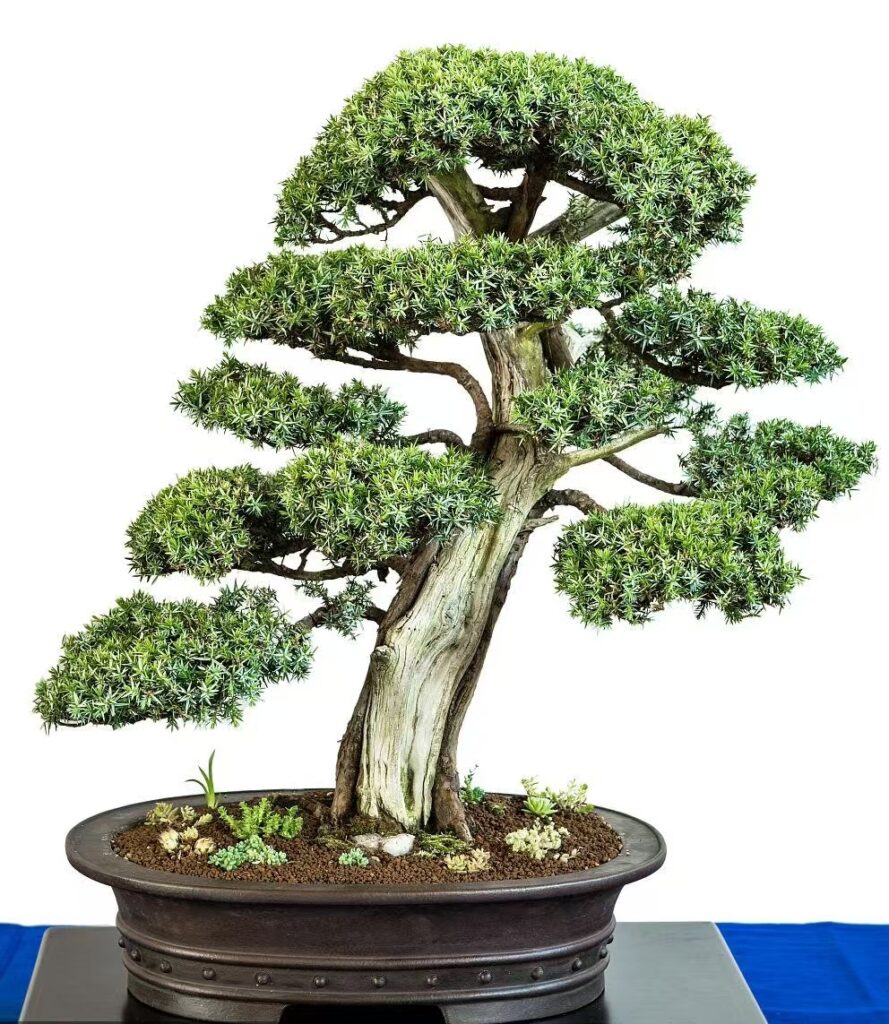
Bonsai trees have long been admired for their beauty, elegance, and the art of cultivating miniature trees. Among the many varieties of bonsai, the rock juniper bonsai (Juniperus scopulorum) stands out for its unique appearance and hardy nature. But when it comes to caring for a rock juniper bonsai, one of the most common questions that arises is: Can I keep a rock juniper bonsai indoors?
Let’s explore the factors to consider when deciding whether or not to bring this striking bonsai indoors, and how to best care for it.
Understanding the Rock Juniper Bonsai
Before diving into indoor care, it’s essential to understand the natural environment of the rock juniper. This variety of juniper is native to rocky, dry landscapes, often found in the mountainous areas of North America. It thrives in well-drained, sandy soils, and in full sunlight. Its ability to withstand cold temperatures and drought makes it an attractive choice for bonsai enthusiasts.
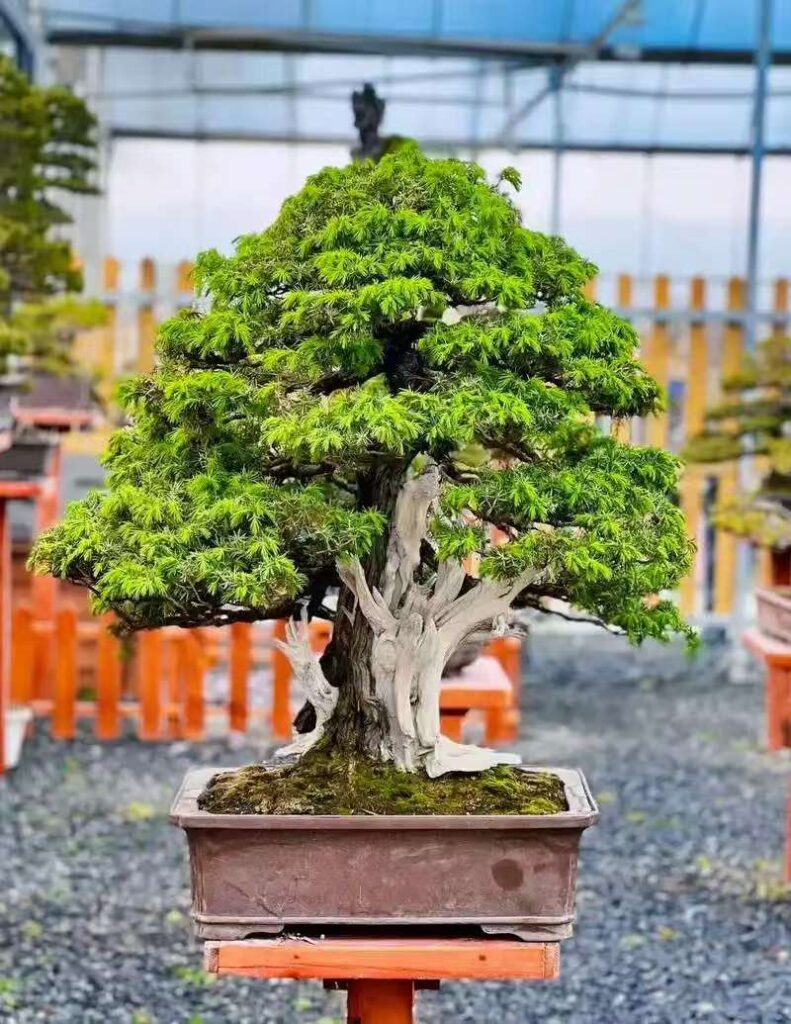
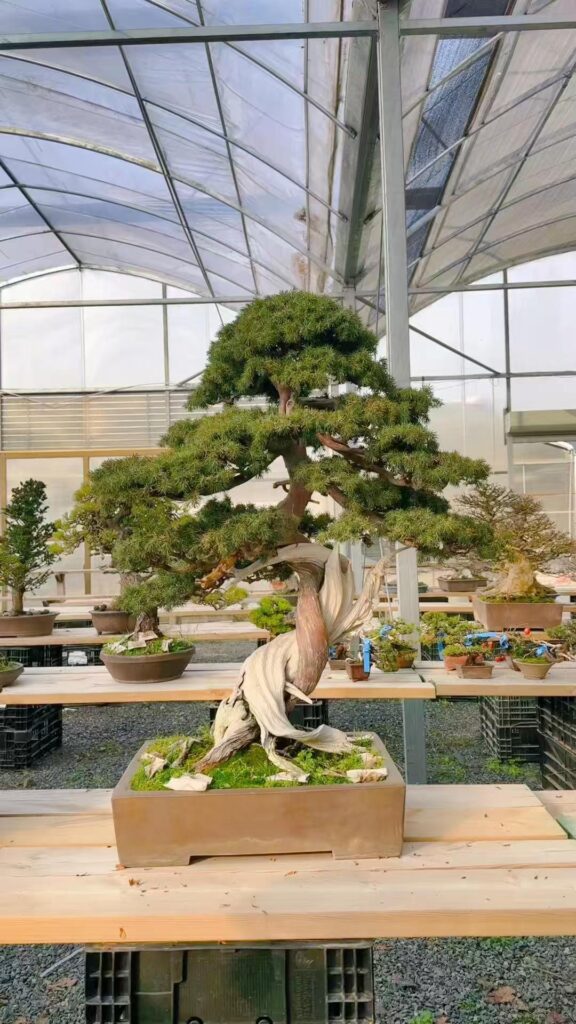
The rock juniper bonsai is characterized by its twisted, gnarled trunk, and needle-like leaves that can range from green to bluish hues. These features give the bonsai a rugged, outdoor appearance, which raises the question: Can such a hardy tree thrive indoors?
Can I Keep a Rock Juniper Bonsai Indoors?
In general, bonsai trees are happiest in an environment that mirrors their natural habitat, which for rock junipers is outdoors with plenty of sunlight. Rock juniper bonsai prefer full sunlight, ideally receiving 4 to 6 hours of direct light every day. Indoor environments can sometimes fall short when it comes to providing enough light, as homes typically don’t have the same level of bright, direct sunlight that the bonsai needs.
That said, you can keep a rock juniper bonsai indoors with the right care and conditions. However, it will require a spot near a sunny window, preferably one that faces south, where the tree can get the light it needs. Alternatively, you can invest in a grow light to supplement the natural light and provide consistent, high-quality light for the tree.
Key Factors for Keeping Your Rock Juniper Bonsai Healthy Indoors
Light Requirements: As mentioned, your rock juniper will need plenty of sunlight. A south-facing window is ideal. If natural light is insufficient, supplement it with artificial grow lights designed for plants.
Temperature Control: Rock junipers prefer cooler temperatures, so aim to keep your bonsai in a room that stays between 60°F to 75°F (15°C to 24°C). Avoid placing the bonsai near heat sources like radiators or air conditioners, as fluctuations in temperature can stress the tree.
Humidity: Indoor environments are often dry, especially during the winter months when heating systems are in use. Junipers prefer slightly humid environments, so consider placing a small humidifier near the bonsai or placing the pot on a tray filled with pebbles and water to increase humidity.
Watering: As a hardy plant, the rock juniper doesn’t require frequent watering. Overwatering is a common mistake. Ensure that the soil is dry before watering, and always use a well-draining soil mix to avoid waterlogging.
Pruning and Shaping: Regular pruning and trimming are essential to maintaining the shape of your bonsai. Be sure to prune away dead or yellowing branches, and shape the tree carefully to encourage the desired form.
Outdoors for Fresh Air: While it’s fine to keep your rock juniper indoors for much of the year, it’s beneficial to take it outdoors during warmer months. Exposure to fresh air, natural rain, and outdoor conditions can keep the tree healthy and help prevent issues like spider mites or fungal infections that can thrive in dry indoor environments.
While rock juniper bonsai are best suited for outdoor conditions, with the right care, it is possible to keep them indoors. Ensure they get plenty of light, maintain stable temperatures, and keep the environment as close to their natural habitat as possible. By following the tips mentioned above, your rock juniper bonsai can thrive indoors and continue to be a beautiful, living piece of art in your home.
Would you like to know more about bonsai care? Feel free to reach out with your questions, and happy bonsai gardening!