Succulents and cacti are incredibly popular plants because of their unique appearance, low maintenance needs, and ability to thrive in dry conditions. However, selecting the right pot for your succulents and cacti is just as important as the plant itself. The ideal pot will provide proper drainage, the right size, and an aesthetic that complements your plant. Let’s explore the key factors to consider when choosing the best pots for your succulents and cacti.
1. Importance of Proper Drainage
One of the most crucial aspects of pot selection for succulents and cacti is drainage. These plants are adapted to dry environments and are susceptible to root rot if their roots sit in stagnant water for too long. Therefore, the pot must have proper drainage holes to allow excess water to escape.
- Why Drainage Matters:
Succulents and cacti store water in their thick leaves, so they don’t need frequent watering. But when you do water them, the pot should allow the excess water to flow out quickly, keeping the roots healthy and preventing rot. - Potting Tip:
When selecting a pot, ensure it has a single large drainage hole or multiple small ones. Avoid decorative pots without drainage, as they trap water and could harm your plants.
2. Choosing the Right Size Pot
The size of the pot you choose for your succulents and cacti plays a role in their overall growth and health. An ideal pot should allow for the plant’s roots to grow without too much extra space.
- Pot Size for Cacti and Succulents:
A pot that is just 1-2 inches wider than the plant’s root ball is usually the best choice. Too much extra space may cause the plant to become waterlogged, as the soil will retain moisture longer than necessary. - Tip:
When repotting, avoid choosing pots that are too large, as this can lead to water retention in the excess soil, making it harder to control moisture levels.
3. Material Matters: Clay, Ceramic, and Terracotta
The material of the pot also affects how well it supports the health of succulents and cacti.
- Terracotta Pots:
Terracotta pots are an excellent option for succulents and cacti because they are breathable and allow for better air circulation around the roots. The porous nature of terracotta helps the soil dry out faster, reducing the risk of root rot. However, they can be more prone to cracking in colder climates. - Ceramic Pots:
Ceramic pots, often glazed, offer a more decorative option. While they still provide good drainage (if they have drainage holes), they retain moisture longer than terracotta. For plants that require less water, glazed ceramic pots may not be the best option, but they are still a good choice for plants with moderate water needs. - Plastic Pots:
Plastic pots are lightweight and retain moisture longer than terracotta or ceramic. They are a suitable choice if you live in a humid climate or prefer watering less frequently. However, they offer less breathability, which could lead to root rot if not carefully managed.
4. Aesthetic Appeal: Matching Pots to Your Décor
While function is crucial when choosing a pot, the aesthetics also matter—especially if you plan on displaying your plants as part of your home décor. Succulents and cacti come in various shapes, sizes, and colors, so you can easily find pots that complement your interior design.
- Minimalist Pots for a Clean Look:
If you prefer a clean, modern look, opt for simple, neutral-colored pots like white, gray, or black. Ceramic or concrete pots can add a sleek and contemporary touch to your space. - Rustic and Natural Styles:
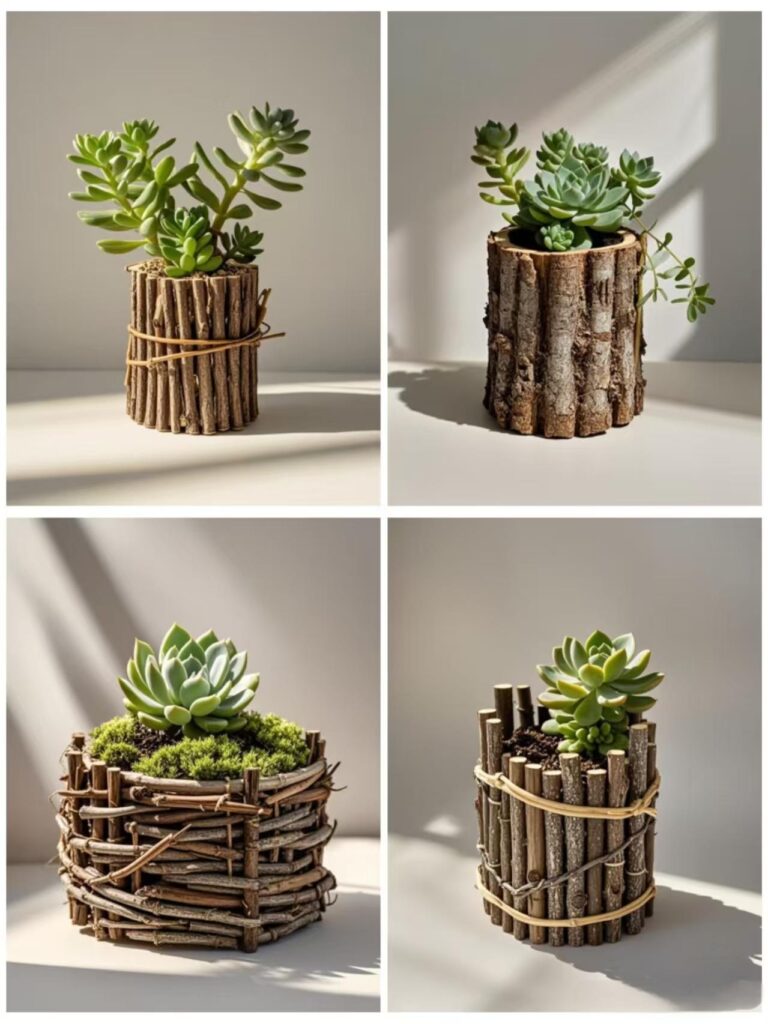
For a more rustic or natural aesthetic, terracotta, wooden, or stone pots can add earthy charm. These materials often pair well with the natural look of cacti and succulents. - Fun and Decorative Options:
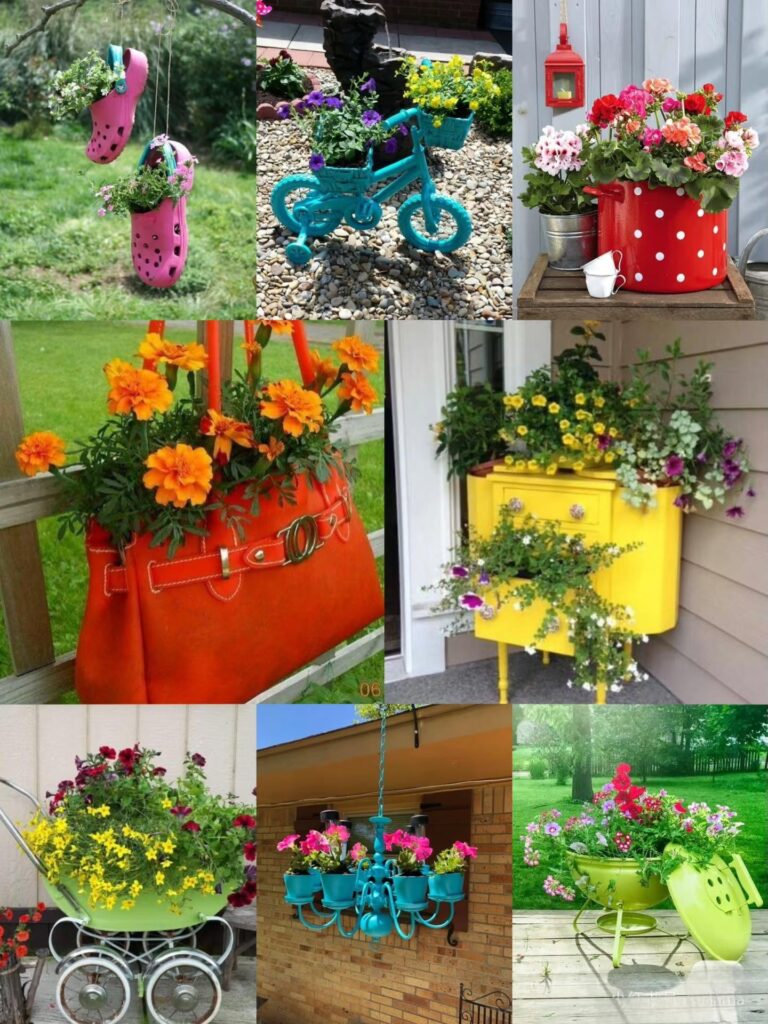
For a more playful touch, choose pots with vibrant colors or quirky designs—think geometric shapes, animal-themed pots, or brightly painted ceramic containers. These can be great conversation starters and add personality to your plant collection.
5. Pot Styles: Choosing the Right Type
There are many different types of pots that can suit your planting style and plant care routine. Here are some options to consider:
- Hanging Pots:
If you have limited space or want to showcase your plants in a unique way, hanging pots are a great choice. Many succulents and cacti can thrive in hanging planters, and they add a dynamic, airy feel to any room. - Self-Watering Pots:
While not always necessary for succulents and cacti, self-watering pots are useful for those who might forget to water regularly. They are perfect for plants that don’t need frequent watering but still require periodic moisture. - Planter Sets:
If you have multiple succulents or cacti, a set of coordinated pots can create a charming display. Choose a set with similar colors, materials, or shapes to keep the collection cohesive.
6. Alternative Drainage Solutions
If you fall in love with a pot that doesn’t have drainage holes (such as a decorative planter), don’t worry! There are a few solutions that can help manage water drainage.
- Adding Gravel or Rocks:
Place a layer of small rocks or gravel at the bottom of the pot before adding soil. This creates space for water to collect away from the roots. - Using an Inner Pot:
Another solution is to place the plant in a smaller pot with drainage holes, then place it inside a larger decorative pot without holes. This way, you can remove the inner pot to water the plant properly while keeping the outer pot dry and intact.